
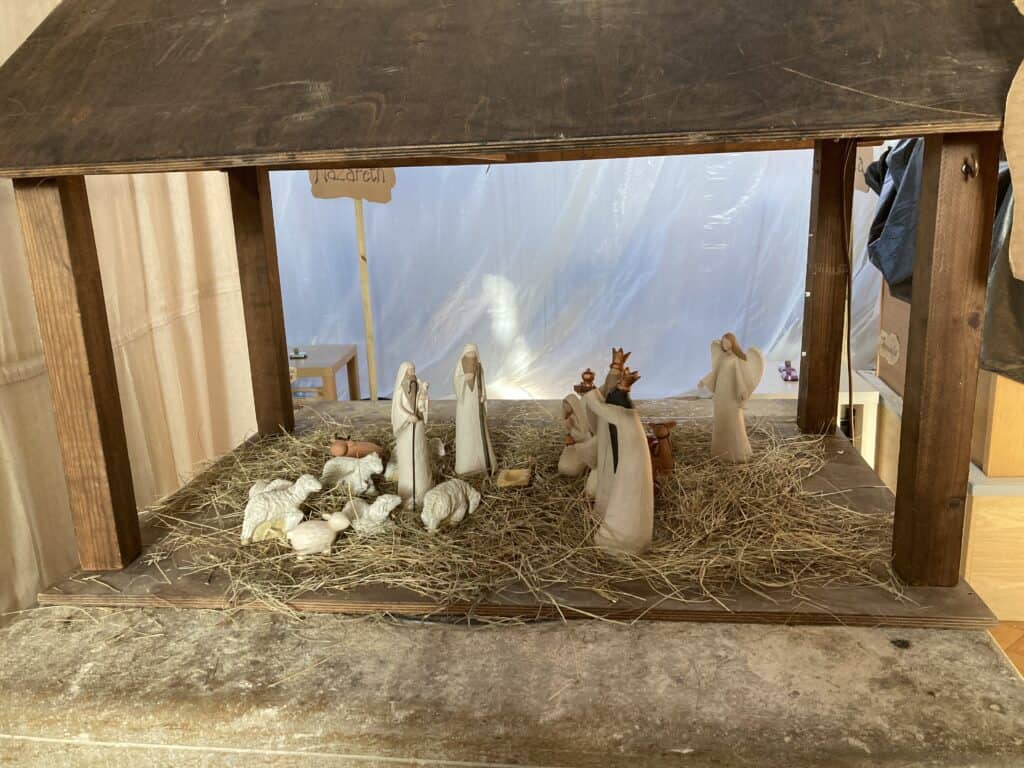

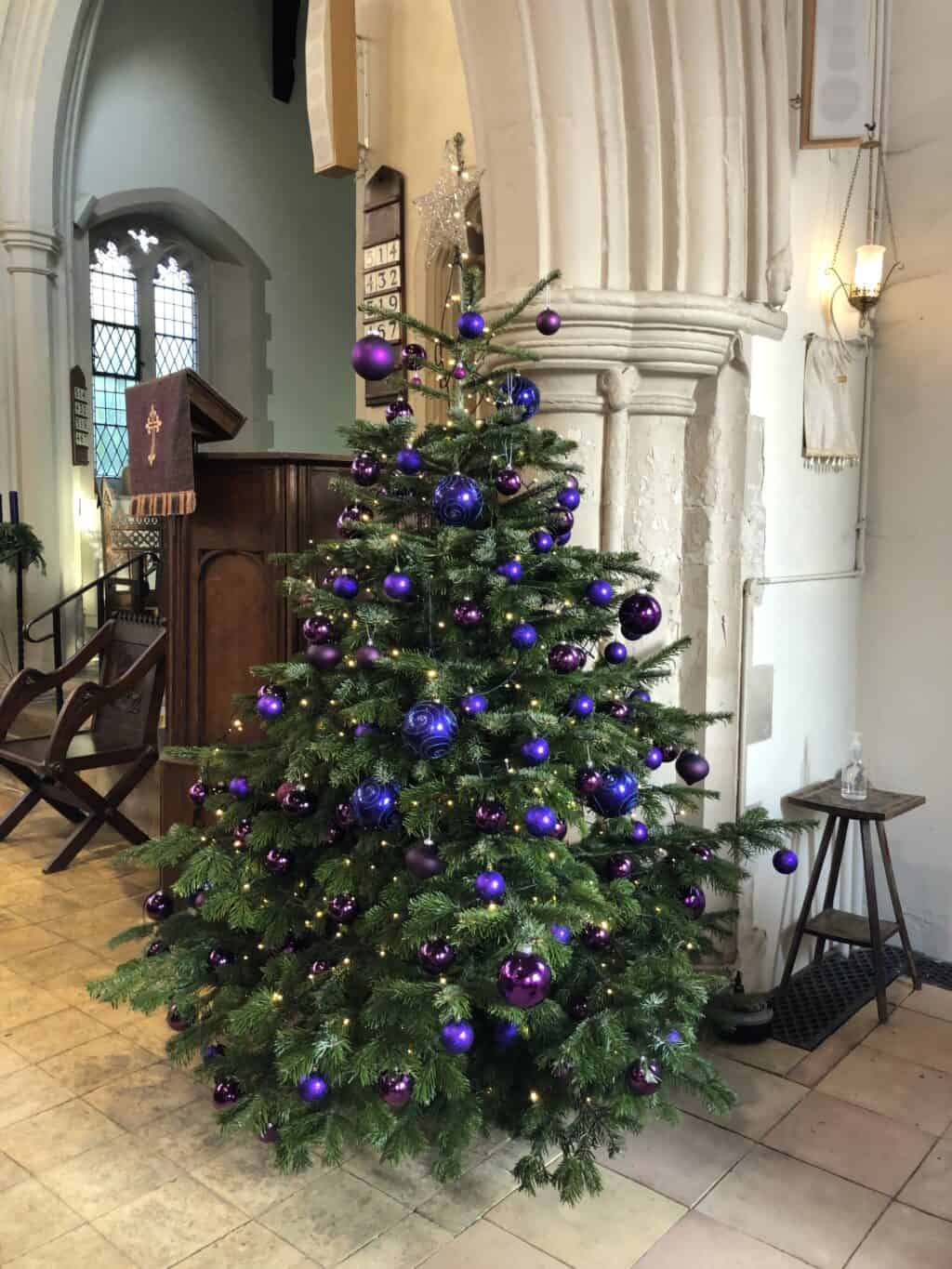
It’s that lovely time of the year when you walk into a church and discover beautifully decorated trees with lots of sparkly tinsel, advent crowns and nativity scenes.

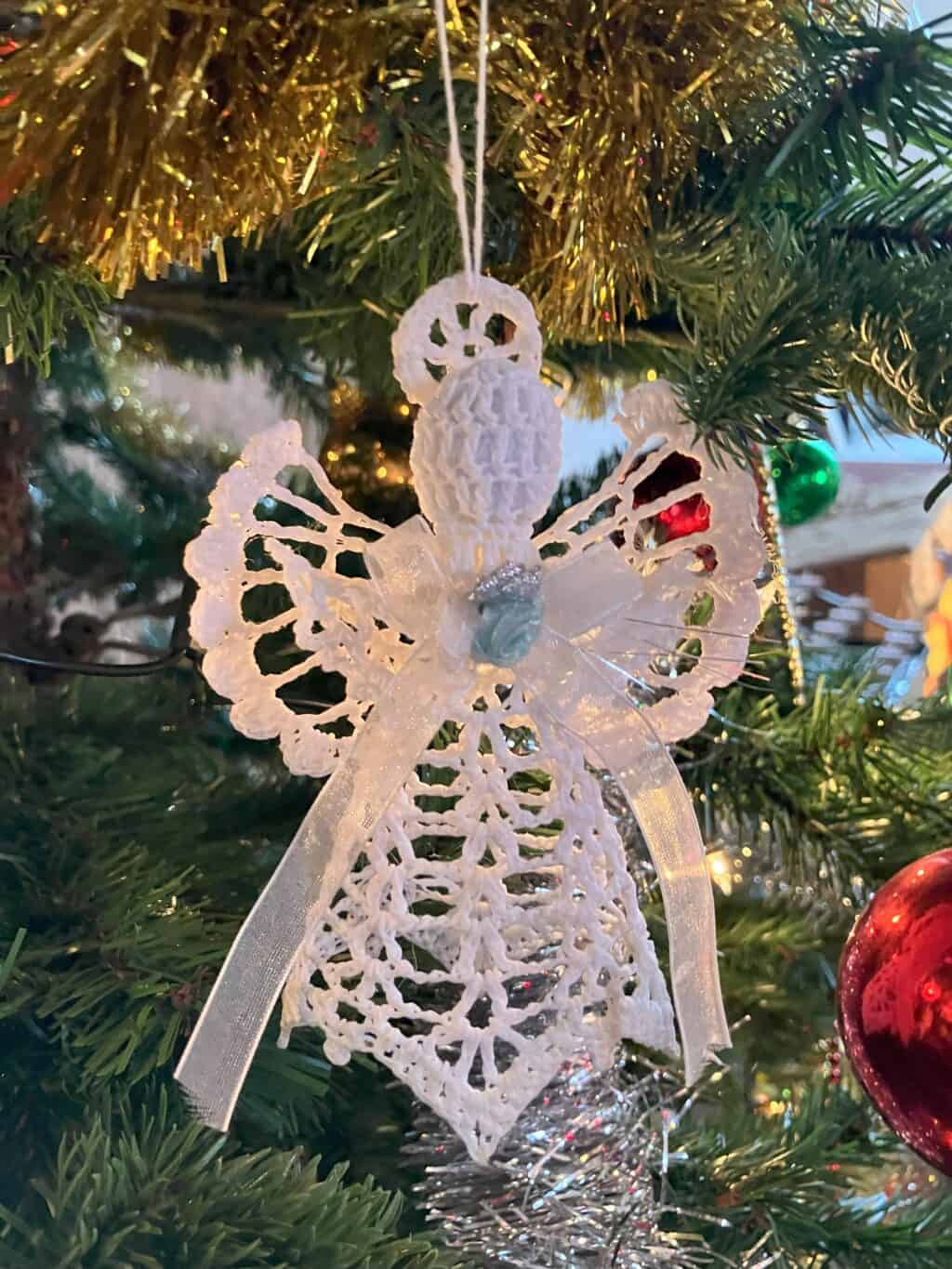
I love nativity scenes, maybe due to the fact as a child I was a king one year and an angel the next; however I don’t recall being a shepherd and wearing a tea towel on my head.
The tradition of the nativity scene comes from Italy.
One of the earliest artistic representations of the nativity was found in the early Christian Roman catacomb of St Valentine in Rome and has been dated to about AD380. Another of a similar age was found beneath the pulpit in Sant’Ambrogio, Milan. Symbolic interpretations of the figures present at the Nativity – the three kings and the shepherds gradually evolved over time.
The village of Greccio in Italy is where the first ever living nativity scene is said to have been created in a cave in 1223 by St Francis to spread the story of Christmas.
St Francis had travelled from Assisi to Greccio to preach to the villager; he was so taken with the area that he chose to settle there. At some point during 1219 – 1220 St Francis visited Bethlehem and when he returned to Greccio he decided to recreate the visual he decided to recreate the visual atmosphere of Jesus’ birth scene in the village Christmas celebrations.
On 24 December 1223, a midnight mass was held that included the first ever re-enactment of the birth in Bethlehem. A couple of villagers were given the roles of Mary and Joseph while a rag doll became Jesus. St Francis, known for his love of animals, added an ox and a donkey to complete the image of a barn. Sadly, my research didn’t find anything about how well the two animals behaved.
St Francis hoped that seeing the nativity in person the villagers would be able to imagine and believe in it. This first nativity scene was a big success and became an annual event which then spread around the world by missionaries and pilgrims who had seen it.
From the 4th century onwards, the Nativity became a favoured subject for religious art and has inspired artists and sculptors throughout the centuries. If interested in nativity art there are several museums and art galleries to choose from that specialise in the subject including the International Nativity Museum in Bethlehem which opened Christmas Eve 1999.
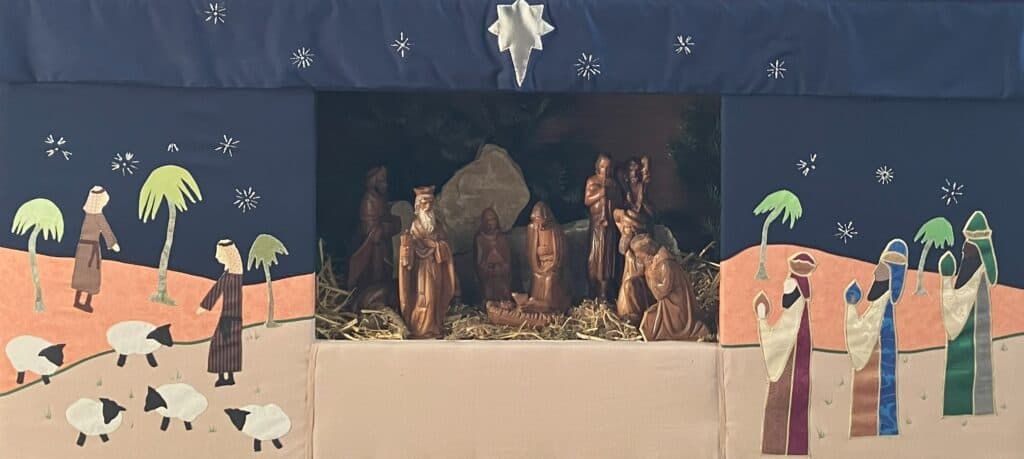
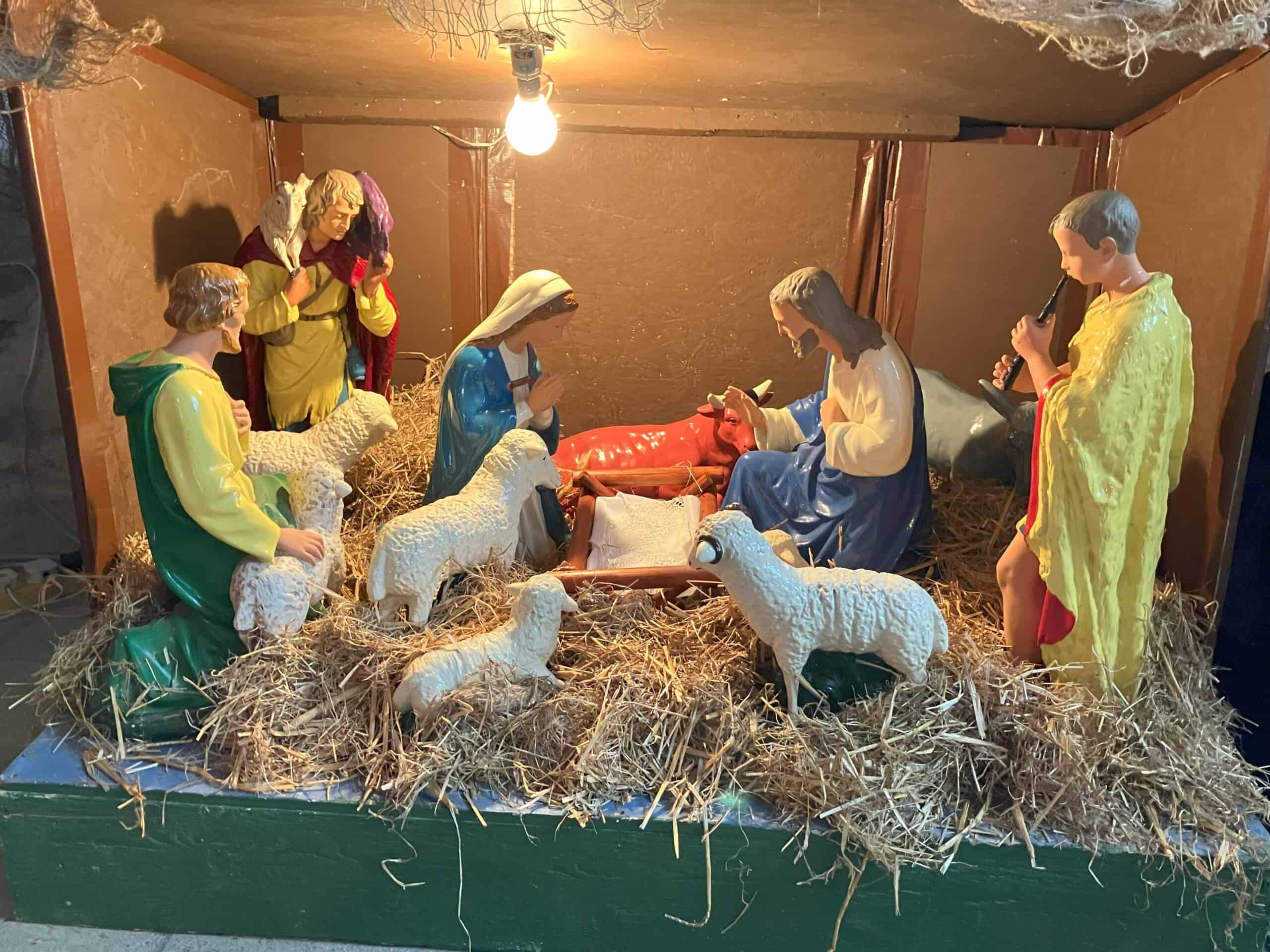
Here in the Diocese of St Albans nativity scenes can be found in all different shapes, styles, sizes and materials including the lovely altar cloth at All Saints, Clifton that frames the nativity models; and the larger scale nativity scene at St Mary, Sundon – the kings had yet to arrive and were making their way up the church.
Please do send any photos of your nativity scenes this year to my email address.
Further reading:
The ox and ass at the Nativity – Medieval manuscripts blog British Library
Depictions of The Nativity Throughout History – My Nativity
News from the DAC team
The DAC is here to support you to care for and develop your church buildings and churchyards, and to help you through the permissions processes