We have created a diocesan directory to help provide some interesting and helpful information, enabling individuals and parishes to make lifestyle choices.
Select your topic of interest from below:
Bats
Between 60-90% of historic churches now have protected bat roosts. You can find lots of information about bats in churches on the Bats in Churches project website. If you have found a bat in need of rescue, need advice, or if you have any concerns about your bat roost you can contact the Bat Helpline.
Bees
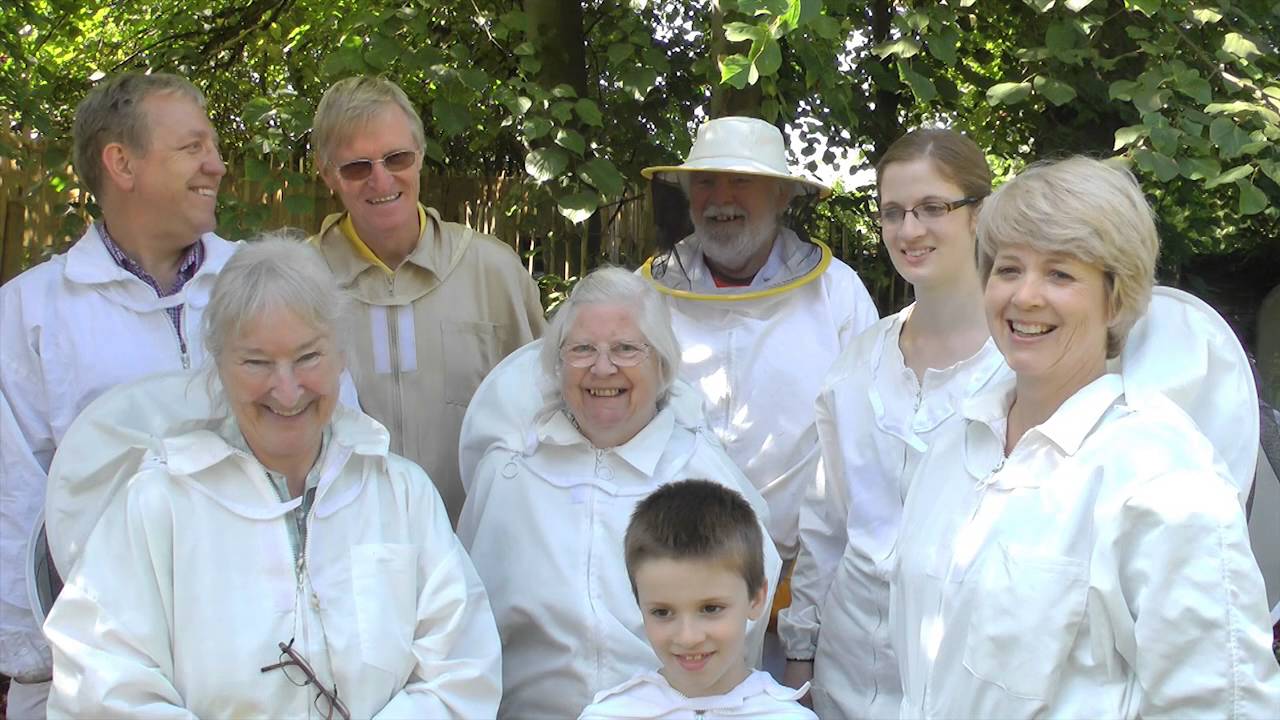
You’ve probably heard about the decline of our honey bees, but did you know that wild bumblebees and solitary bees are also disappearing at a catastrophic rate?
Whilst the reasons are complex and not fully understood, we do know that pollution, disease, changes in land use and management, habitat loss and changing climate are playing a part.
Without bees we are in serious trouble because they play a key role in pollination, but there is much that can be done to help. The Bumblebee Conservation Trust are asking for help to count the UK’s bumblebees and they also provide lots of helpful resources to help you get involved.
Climate Resilience
Climate change is bringing with it increased frequency of extreme weather events. This means that our church buildings can become vulnerable and keeping them in good condition is even more important. It may even be necessary to adapt the building to enable it to withstand the types of extreme weather most likely to affect it.
The Church of England have provided advice and support to help your journey towards being a ‘climate resilient church’ which you can access using the button below.
Outdoor worship
Worshipping outdoors can be an opportunity to notice and be thankful for God’s creation. There are lots of practical things to consider if you do want to hold services/worship outdoors. The Church of England has pulled together all of the considerations and principles around outdoor church activities, especially since it grew in popularity after the covid-19 pandemic.
Season of Creation
Otherwise known as Creationtide, the Season of creation is the period in the annual church calendar, from 1st September to 4th OCtober, dedicated to God as Creator and Sustainer of all life.
The Church of England provides resources and webinars exploring environmental themes in theology and worship to support parishes through the Season of Creation.
Each year, the Season of Creation has a different theme. In 2022, the theme was ‘Listen to the Voice of Creation’ . The theme for 2023, along with resources for churches, will be available on the Season of Creation website.
Trees
Woodland Trust
As well as providing information and advice about trees and tree planting, the Woodland Trust provide free trees. Native trees are preferred to provide much needed habitats and food for insects, birds and mammals.
Churchyard trees
Please do consider if your parish could get involved with tree planting, either in the churchyard (where appropriate) or on other land the PCC owns. Alternatively, you could support another associated local initiative.
Permission is needed to plant trees in the churchyard to ensure that the type of tree, location and context are appropriate so that the tree is more likely to flourish and improve biodiversity. Contact the DAC team if you would like to plant a tree in your churchyard.
Walk to Church Sunday
On the second Sunday in May each year, join with family and friends to walk to church rather than jumping in the car. Tell your neighbouring churches and your local media that you are doing this as a practical demonstration of concern for our environment.
From somebody who walked to church
Please send in your stories and/or pictures to the Environment Officer.