

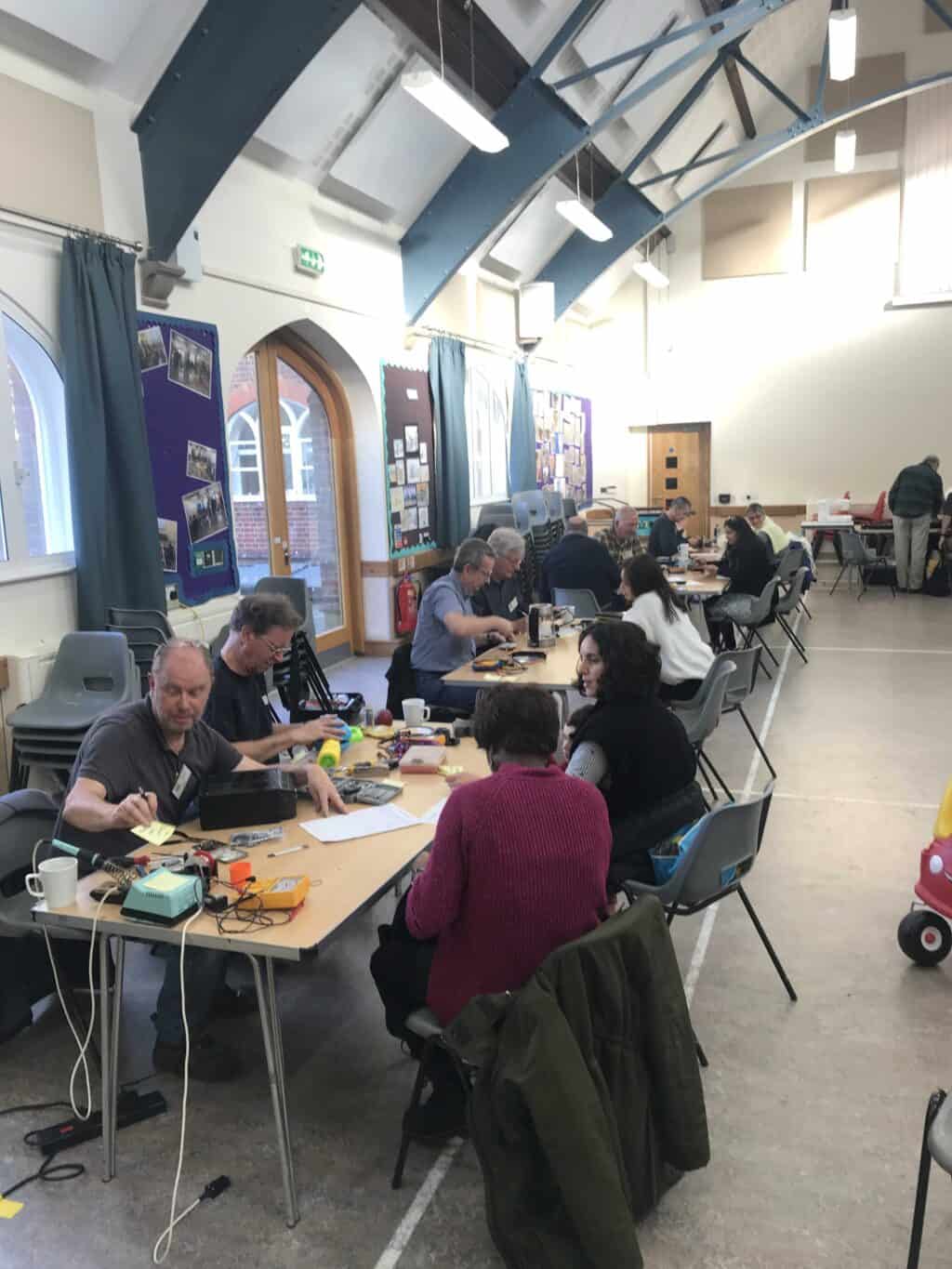
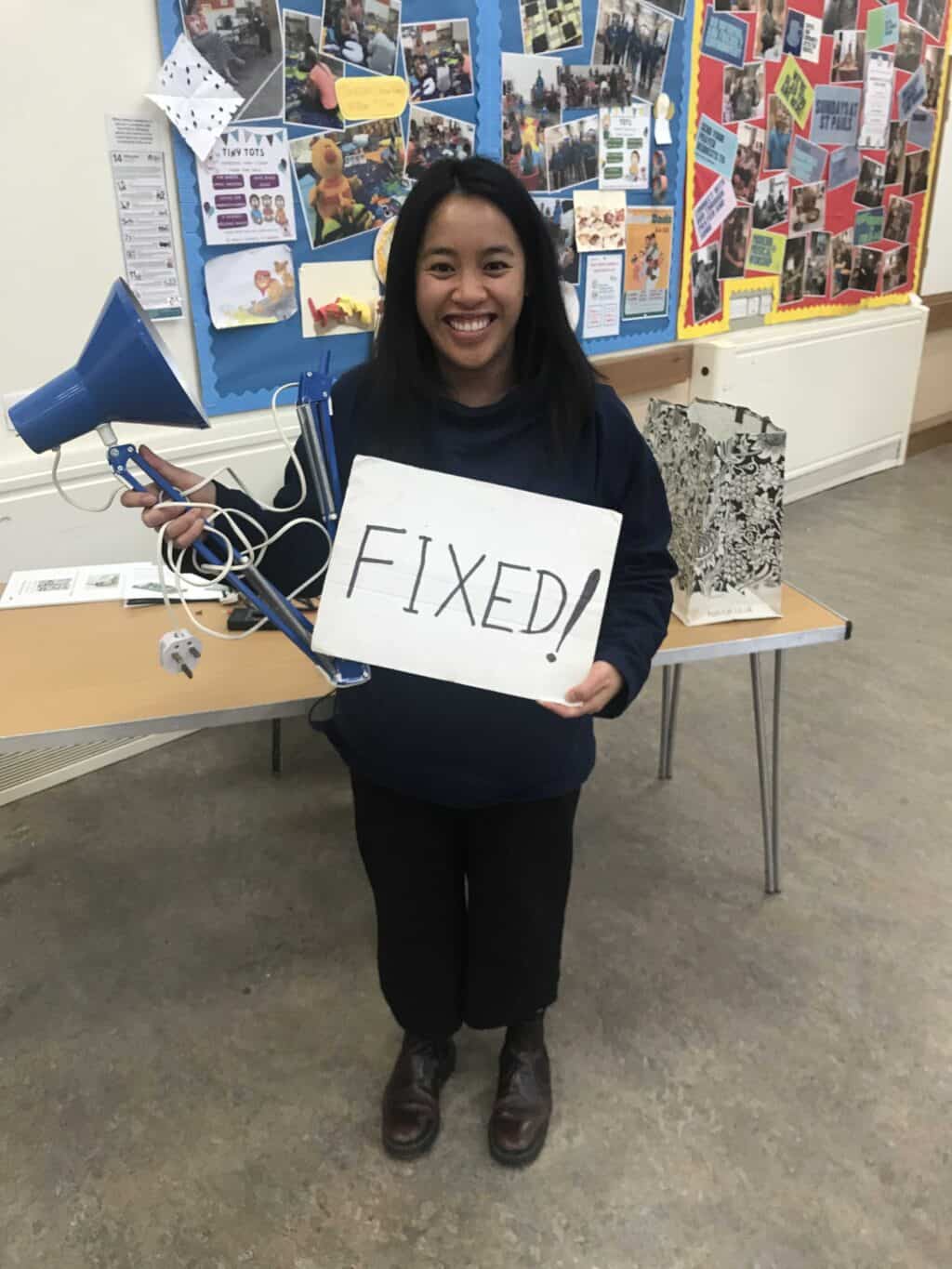
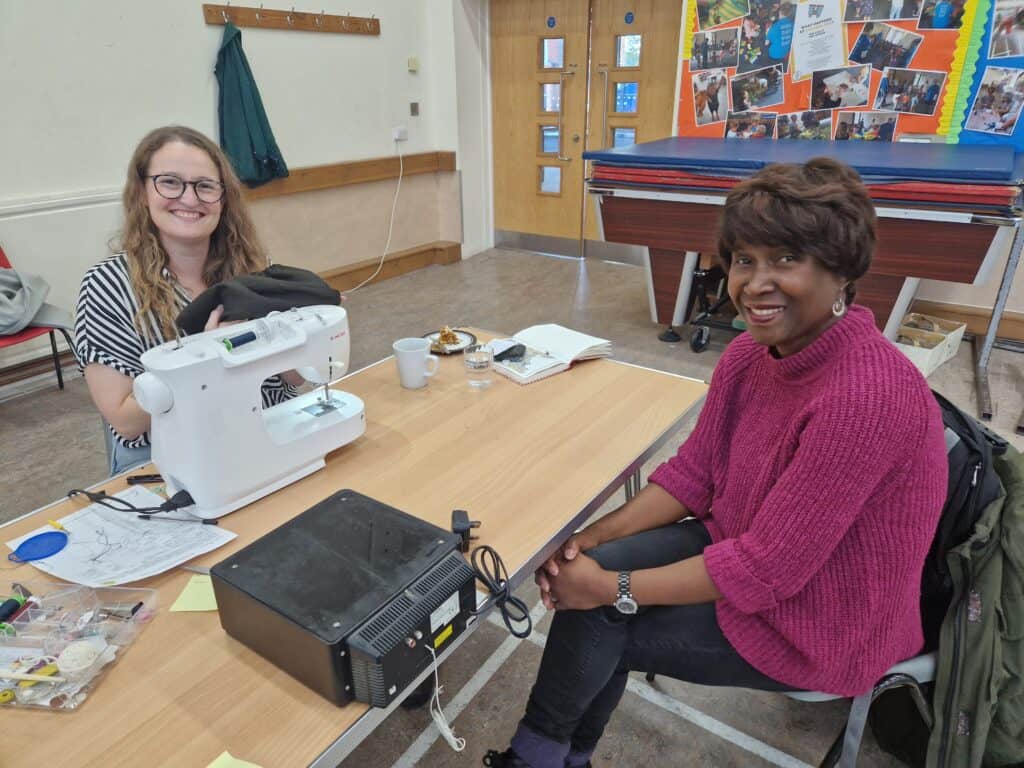
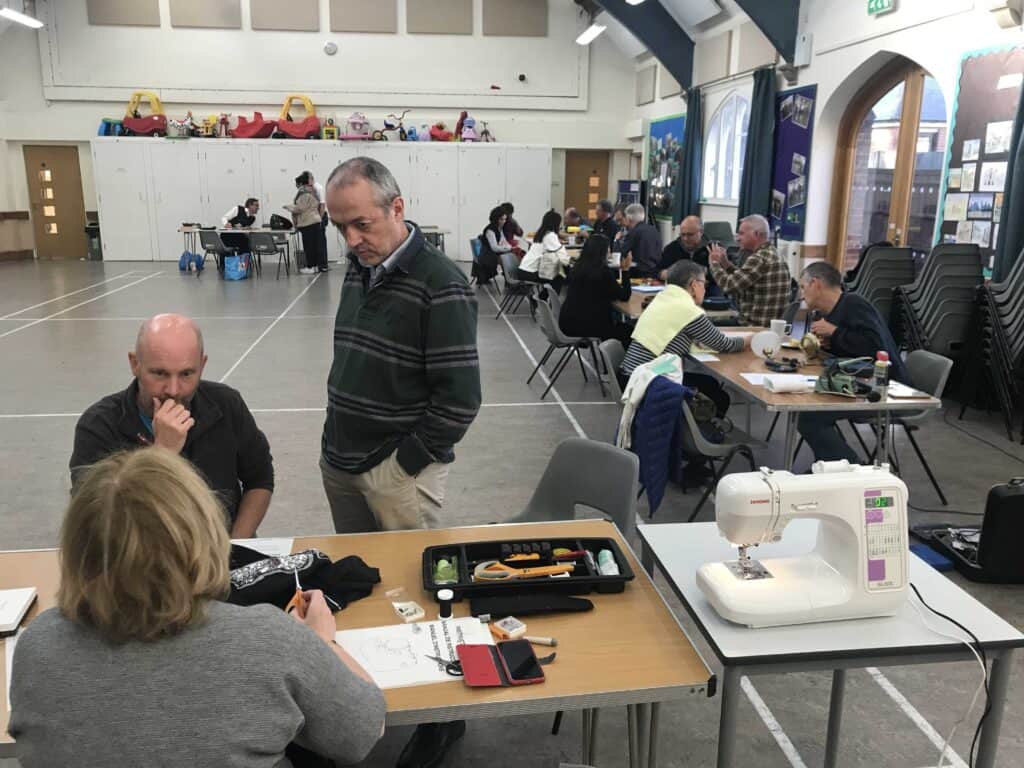
St Paul’s Church in St Albans was recently host to a Repair Shop event, run by St Albans District Fixers. We chatted to both St Paul’s and to St Albans District Fixers (StADF) about the origins and impact of the event.
What inspired you to start the repair fairs?
Philip Le Riche from StADF: We were originally inspired by the Restart Project (therestartproject.org), which started running community repair events in London in the early 2010’s. I co-founded StADF and have been volunteering with them since 2014, shortly after retiring.
Phil Nalpanis (member of St Paul’s Church): For St Paul’s, the motivation for running repair fairs is part of our continuing Eco Church work. It shows that we, as Christians, care about the impact of unnecessary waste on the environment that adds both to landfill and to greenhouse gas emissions, and we want to do something about it.
What impact have you seen in terms of waste reduction?
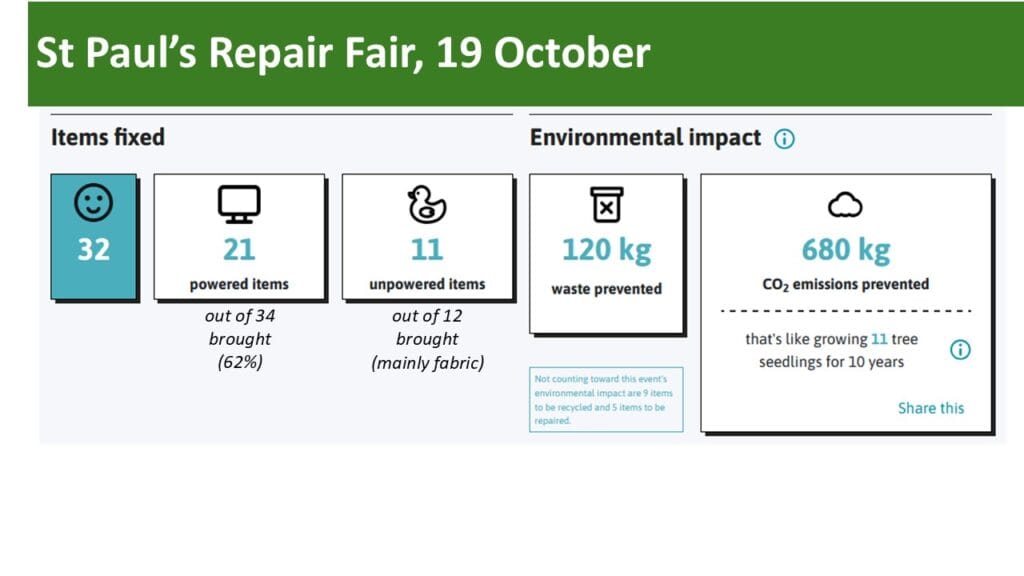
Philip Le Riche: We record all fixes on the Fixometer, a software tool created by the Restart Project, which uses generic data to estimate kg of waste and kg of CO2 emissions averted. This year at St Paul’s Church alone, we estimate to have saved 150kg of waste and 880kg of CO2 emissions, having fixed 60 out of 96 items brought to us.
Do you see some types of items coming in for repair more than others?
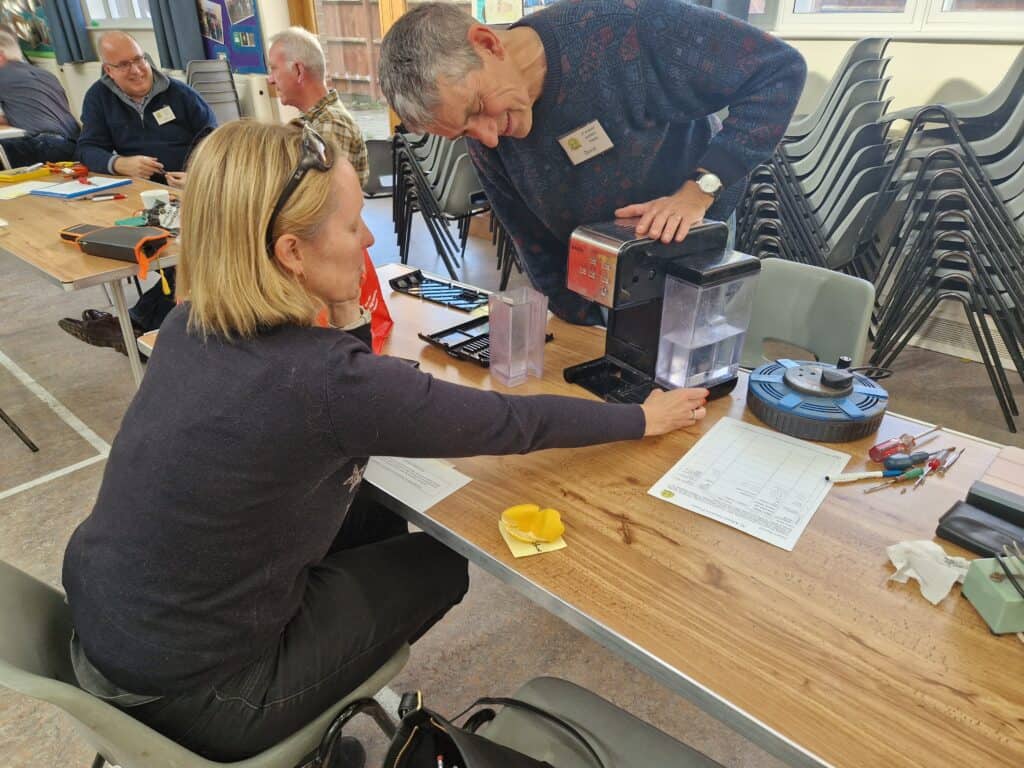
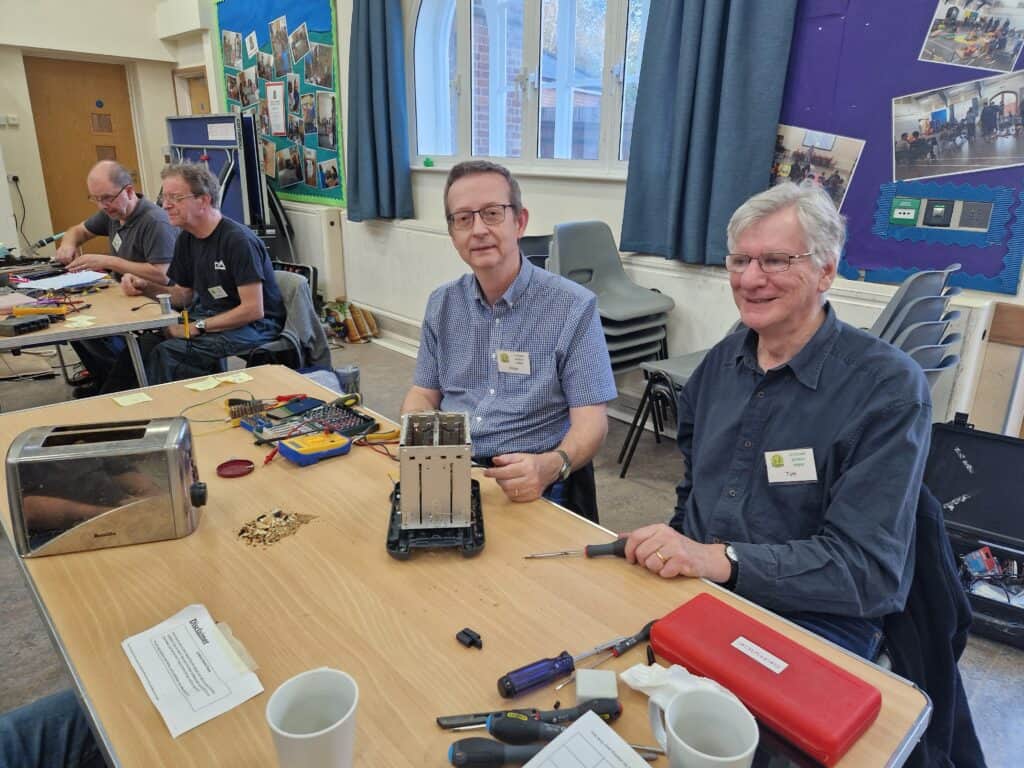
Philip Le Riche: We get all manner of household items, but toasters and kettles seem to be particularly common, followed lamps, vacuum cleaners, other kitchen items and garden power tools. But one of the fascinations of being a fixer is that you never know what’s coming next.
I once had a dentist bring along his machine for filling root canals! (Unfortunately, the replacement transformer needed was well beyond the very basic stock of spares we can carry.) However, the good story behind a fix most often relates to the process of diagnosing the problem, most easily appreciated by another fixer.
Anything else you’d like to share about the repair fairs and their impact?
Philip Le Riche: At StADF, we always aim to involve the owner of a device in its repair, explaining to them what we’re doing, and encouraging them to actively engage with the fix under supervision, where they can do so safely.
We currently hold around six events per year, mostly in churches or church halls within the diocese. Not that we have any church affiliation (though some of our volunteers do individually), but many churches are keen to host our events as part of their Eco Church programmes. You can find a list of our forthcoming events here.
Phil Nalpanis: The repair fairs enable us to connect with our community and relate to them; it also brings them into the church premises, where we hope and pray they’d encounter God in some way.
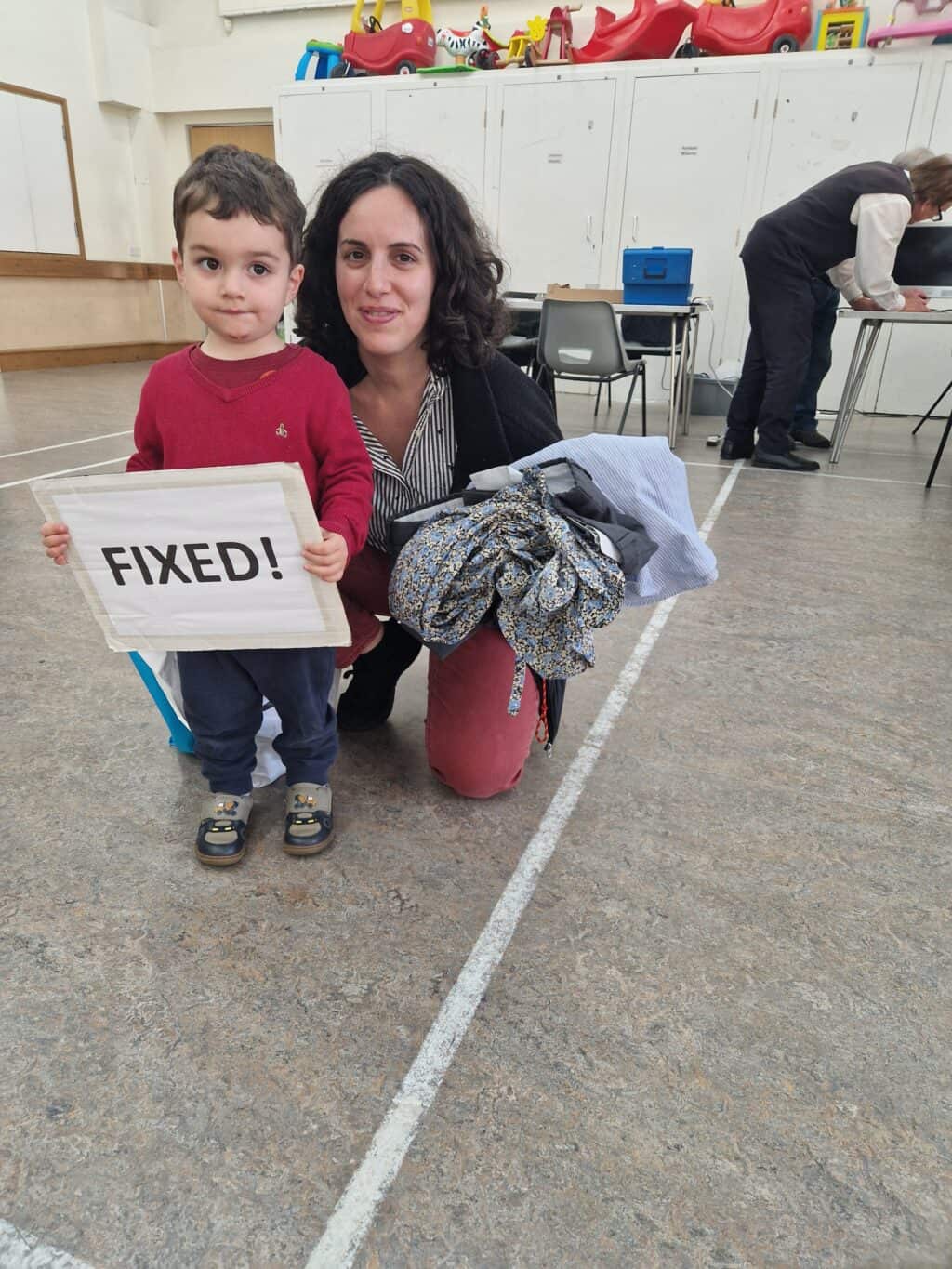
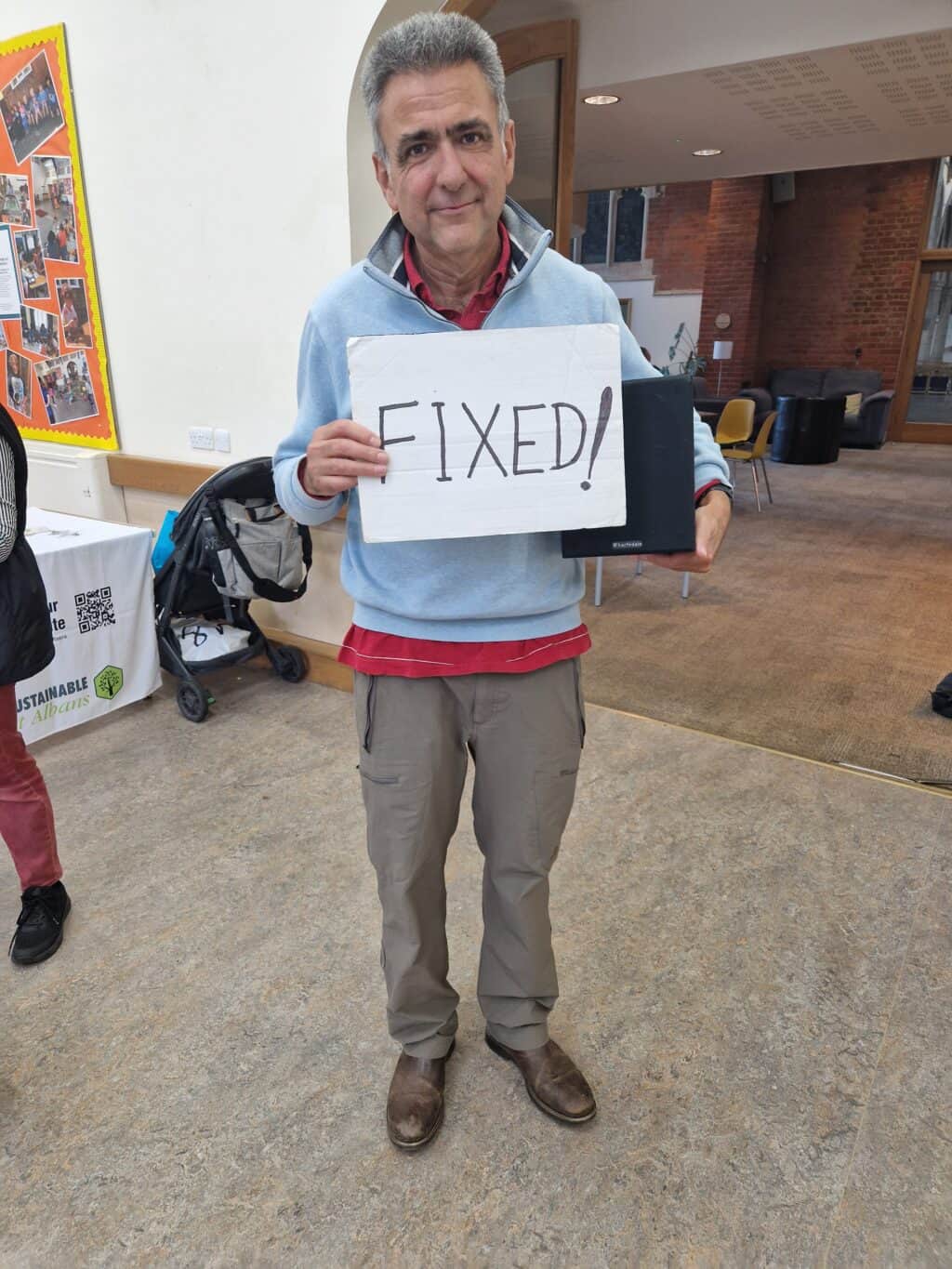
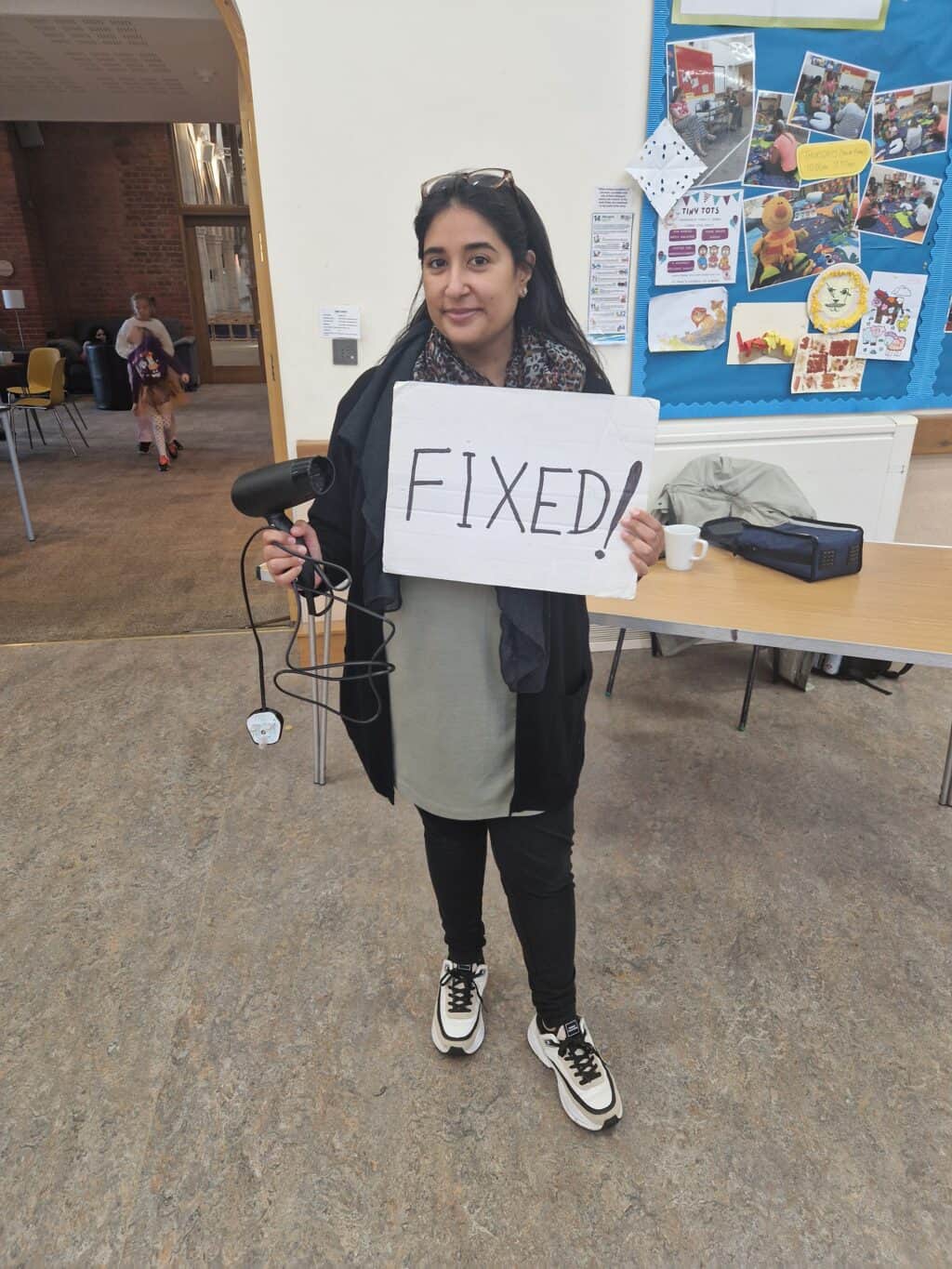
With thanks to Phil Nalpanis for the photos.
Tom Abraham, Net Zero Carbon Officer for the Diocese commented:
Thinking about how much carbon in the items we buy isn’t something most of us do very often, if at all. We may give some thought to the carbon emitted from powering the gadget, but events such as the repair fairs from St Albans District Fixers are a great way of reminding us of this impact.
Ideas to consider:
- When researching or buying a new product, consider asking companies about the embodied carbon of the item. It shows that you are interested and can form part of your purchasing decision. It may encourage manufacturers to think about their carbon impacts.
- Look out for the crossed-out wheelie-bin sign on electrical items that you own or purchase. They are there to remind you not to just throw these items out with your household waste. If the item cannot be repaired, or it is no longer needed, check your local council website to find the options available to you to give your electrical item another lease of life, or enable it to be recycled responsibly.
The Diocese remain committed to reducing our environmental impact and to achieving Net Zero Carbon by 2030. You can read more here.