


Have you ever thought about how your church building is special?
Many of us are very familiar with our church building, sometimes so much so that if someone gave us a camp bed, we’d move in! Often we are so familiar with being in the church for worship or running a café that we don’t think of it as special at all. You’d be amazed how many times people have written in an application for DAC advice that “there is nothing special about the church building”, even when it’s grade II* listed, which puts it in the top 6% of buildings that have been identified nationally as being of more than special interest.
National listing of buildings of special interest began in the 1940s and is currently run by Historic England. In the early days, listing tended to reflect the special architecture of a historic building. Nowadays more recent buildings may be listed – although not usually those less than 30 years old – and the special interest of a building may be because of its use, its historic interest or special associations (e.g. Paul McCartney’s home) as well as its architectural interest. There are listed workhouses, mills, even gardens and shipwrecks.
Church buildings are special because of their significant architecture, beautiful stonework and stained glass, special furniture and fittings, and because they are often the oldest building in their locality. Generations of craft skills and money have been lavished on them to the glory of God – or to show the wealth and prestige of their benefactors! Sometimes churches are evidence of even older communities, built on the site of a Roman or Celtic building or burial ground. Many churches are landmarks, whether a spire standing proud in the landscape or “turn right at the traffic lights by the church”.
Churches are also hugely significant parts of our cultural heritage, as buildings which have been part of the lives of people in a local community for centuries. They have been places of refuge in times of civil war and unrest, places for people to gather and pray in times of disaster, buildings in which generations of people have celebrated births and marriages, attended funerals and thanksgivings.
All this makes churches very special as part of our local, national and even world heritage, but what makes church buildings special to us? The answer may be very specific, individual, even personal, but here are a few suggestions to think about when you next go into your church.
- What strikes you as you approach the church?
- How do you feel as you enter the building? What do you specially look at?
- If you can, look beyond the notices that need changing and the odd trip hazard. Where in the building do you like to sit? What helps you focus on prayer?
- For you, is the church building a place to worship God as part of the church family, somewhere to find peace on your own, somewhere for a cup of coffee with friends, somewhere that holds cherished memories or a backdrop to praise?


If you want to get a sense of what other people in the congregation and users of the church think is special about your church building, you could do what one church did with their project architect after a Sunday service, and ask everyone to go and stand in the place that meant most to them about the building, and the part of the building they each thought most needed to be changed. Each person’s positions were marked on plans of the church with sticky dots and the results were used to ensure that the parts of the church many people valued – especially the view of the east window and the reredos – were not affected by their proposals for changing the layout, whilst the area that most needed change was a focus for improvements.
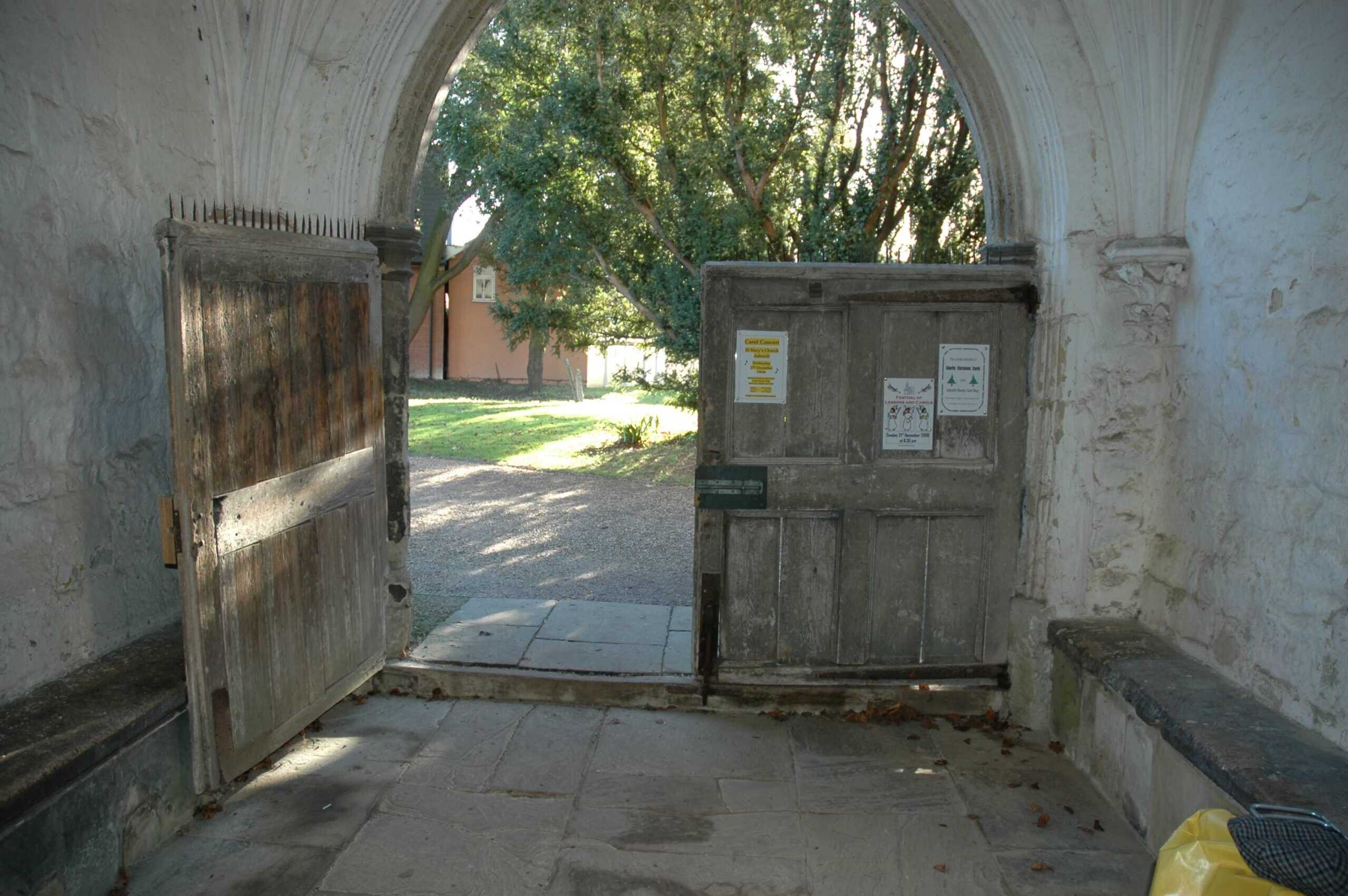

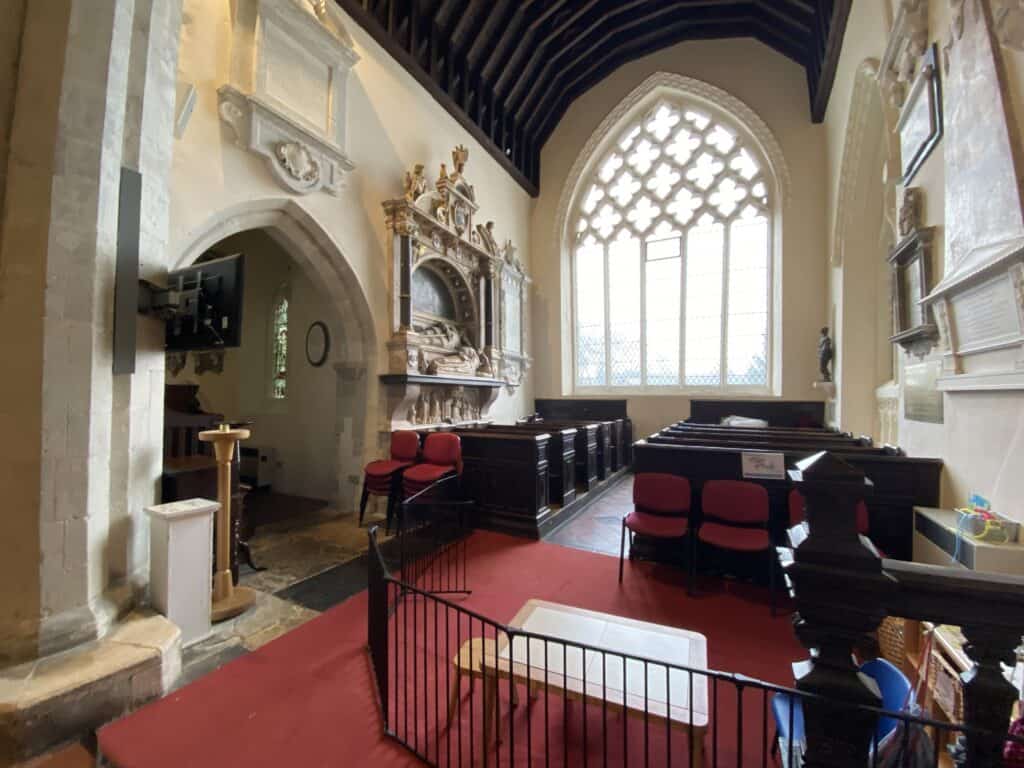
For all of us, church buildings are the place where we meet for worship, reach out to draw people into a closer relationship with God, and serve our local community. In a country with a climate as changeable as ours, we need buildings to be able to do all these things. Churches have the added benefit that they are there even when we are not, witnessing to God’s steadfast love for all his people in each place.
The combination of all that is special about a church building, its place in the local context and landscape, its atmosphere, architecture, furnishings, layout and memorials, associations with the lives of people and changes over time, use for worship and prayer as liturgy has changed and social needs have shifted – all this can be gathered into a Statement of Significance. Recognising how the church building is special, understanding what makes it special, and setting that out in a Statement of Significance is key to deciding how best to make changes, when changes are needed to make the church building meet our current generation’s needs for worship, mission and community.
Further information:
News from the DAC team
The DAC is here to support you to care for and develop your church buildings and churchyards, and to help you through the permissions processes