

“stave off decay by daily care, to prop a perilous wall or mend a leaky roof” William Morris, SPAB founder (1877)
What is maintenance?
Maintenance is the routine and regular work needed to keep the fabric of a building in good condition. Regular maintenance and small ‘stitch-in-time’ repairs slow down the natural decay of a building and keep it in its current state.
It is important to understand that maintenance is different to repair works. Without maintenance and small ‘stitch-in-time’ repairs, a church building will deteriorate. Repair works will then be required to put the building back to its previous condition by rectifying defects, significant decay and/or damage.
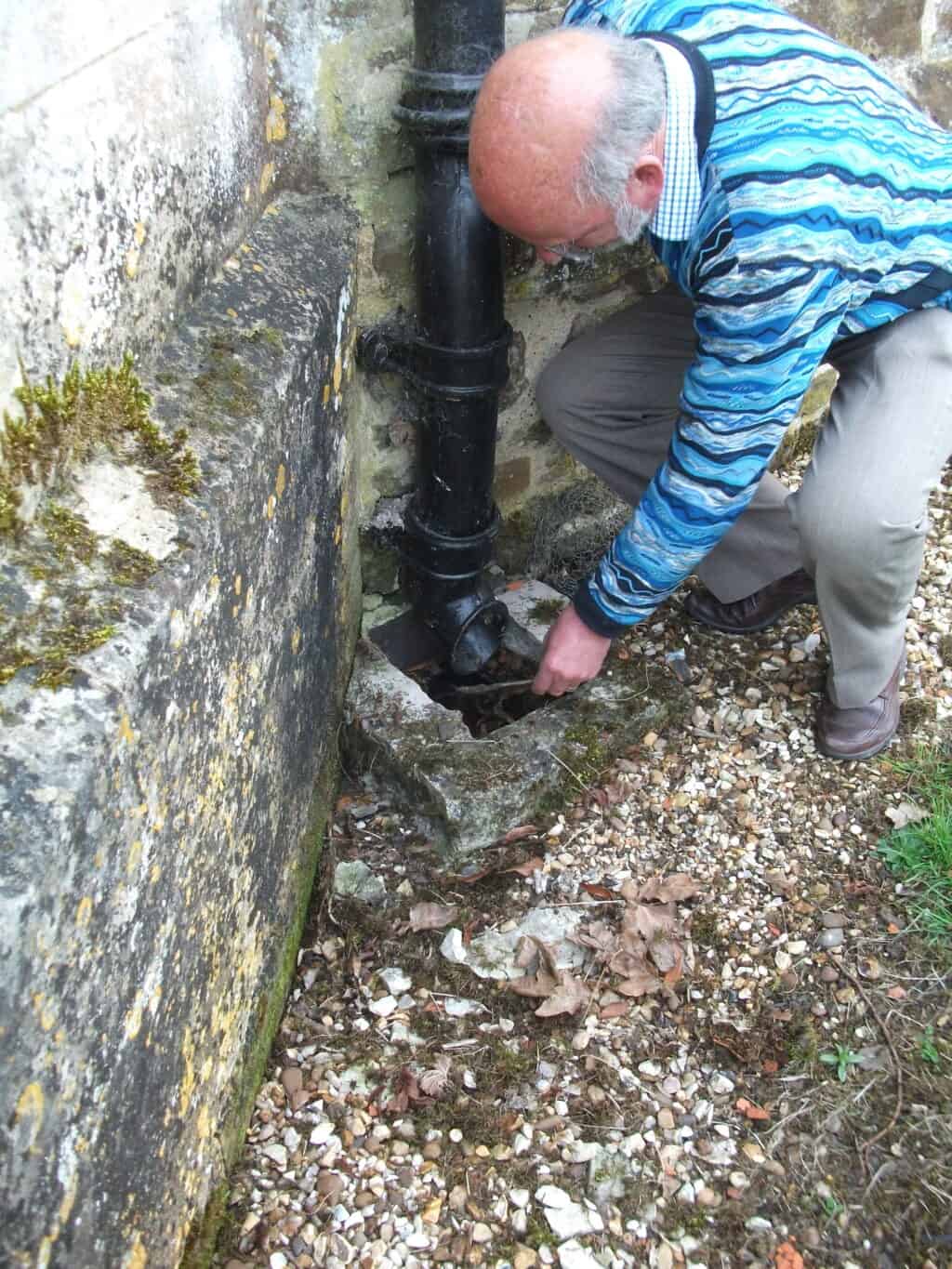
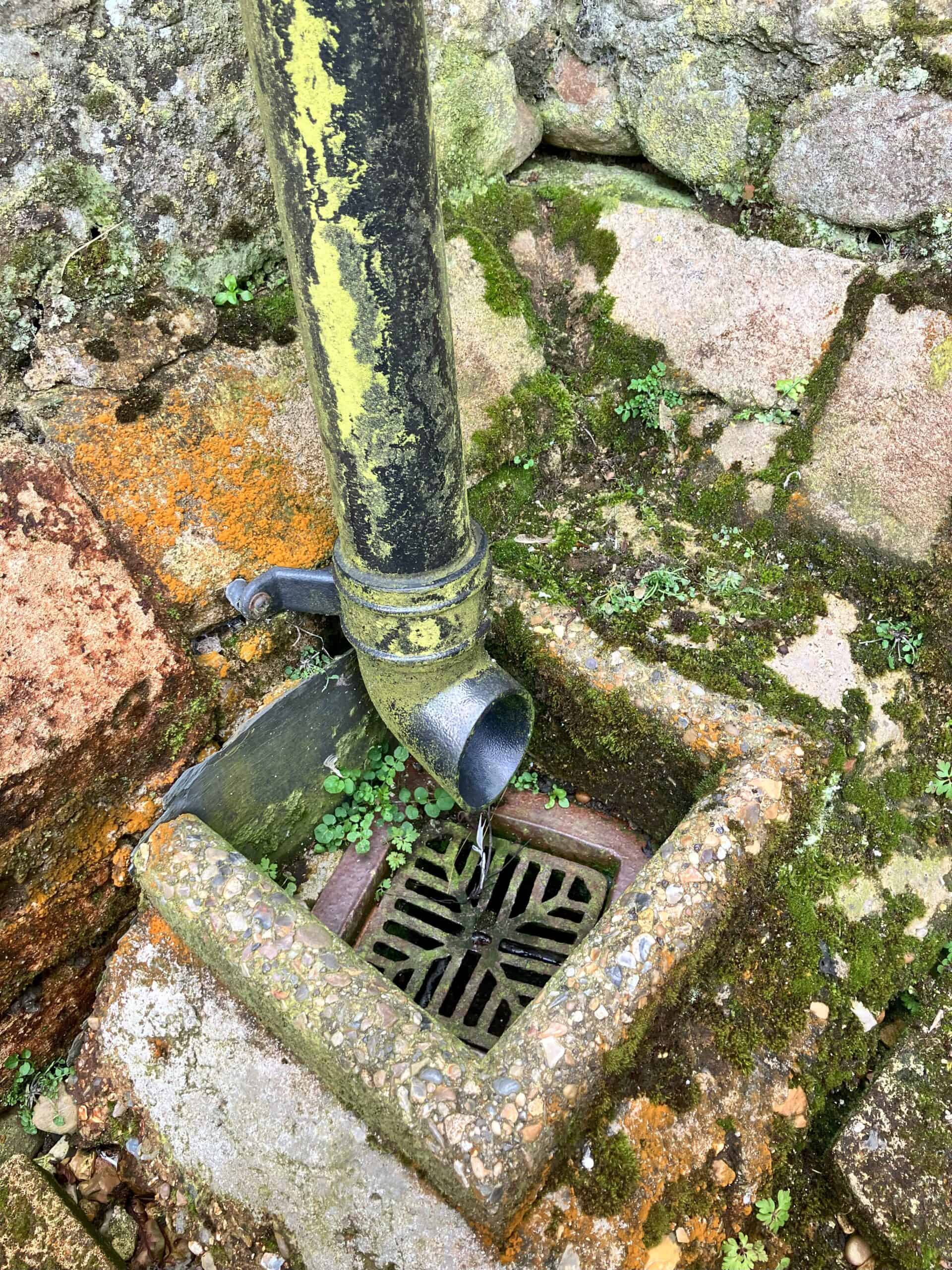
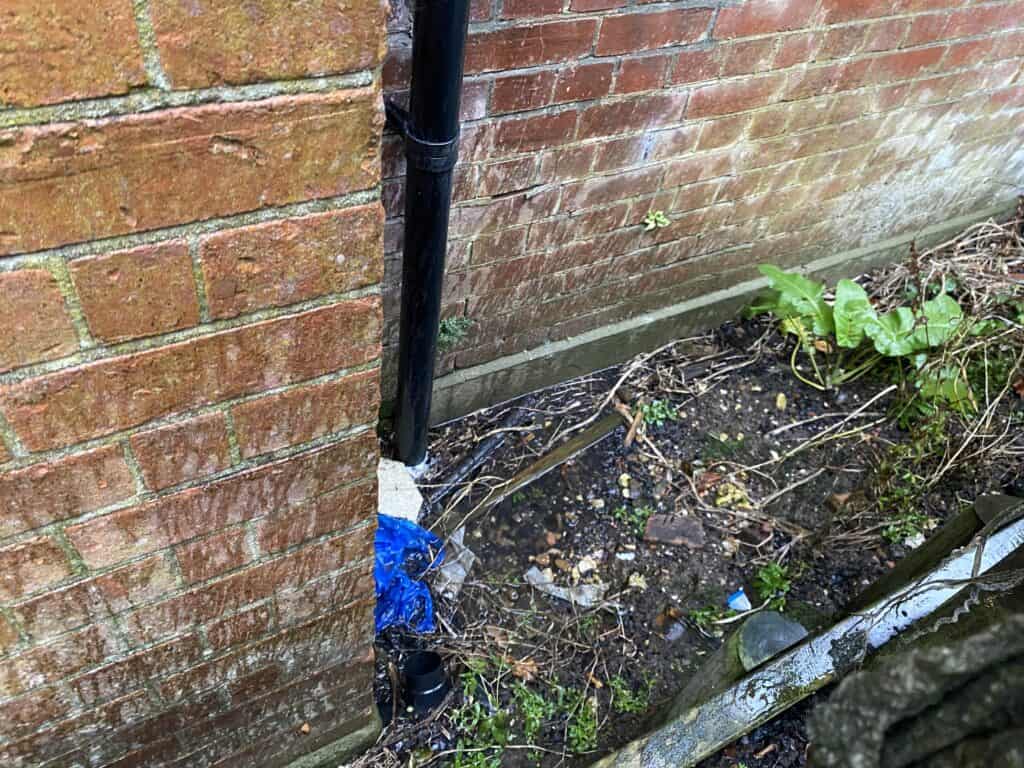
Water penetration can cause significant damage to a church building. Water ingress at roof level can result in timber rot of the roof structure (discolouration of ceiling timbers or staining on the walls at a high level are often the first signs of a problem). Saturation of external wall masonry, often behind rainwater pipes (clue – the wall has a green tinge), causes internal damp and flaking paintwork. Blocked gullies or underground drainage channels can result in ground level damp (often misdiagnosed as rising damp).
Why is it important?
Churches and places of worship are important to their congregations, parishes, local and wider communities. England’s parish churches have long been deemed a vital part of our heritage, not only as architectural wonders and works of art but as institutions, as places of worship within the pattern of our settlement, playing a role in the history and development of the community.
- Maintaining our church buildings ensures that they are kept in good condition and preserved for future generations to view, experience and learn from.
- A well cared for church is more likely to attract people than a rundown and unloved building. Having a welcoming and inviting space is crucial for mission and ministry.
- Regular maintenance is relatively low cost and provides value for money. It prevents small issues turning into major repair projects that cost £1000s.
- A well-maintained church is likely to be a more energy efficient church. Preventing leaks, draughts, damp etc. with good maintenance is one of the easiest ways to get your building closer to its net zero goals.
How do we ‘do’ maintenance?
There are two steps to maintenance:
- Looking
- Doing
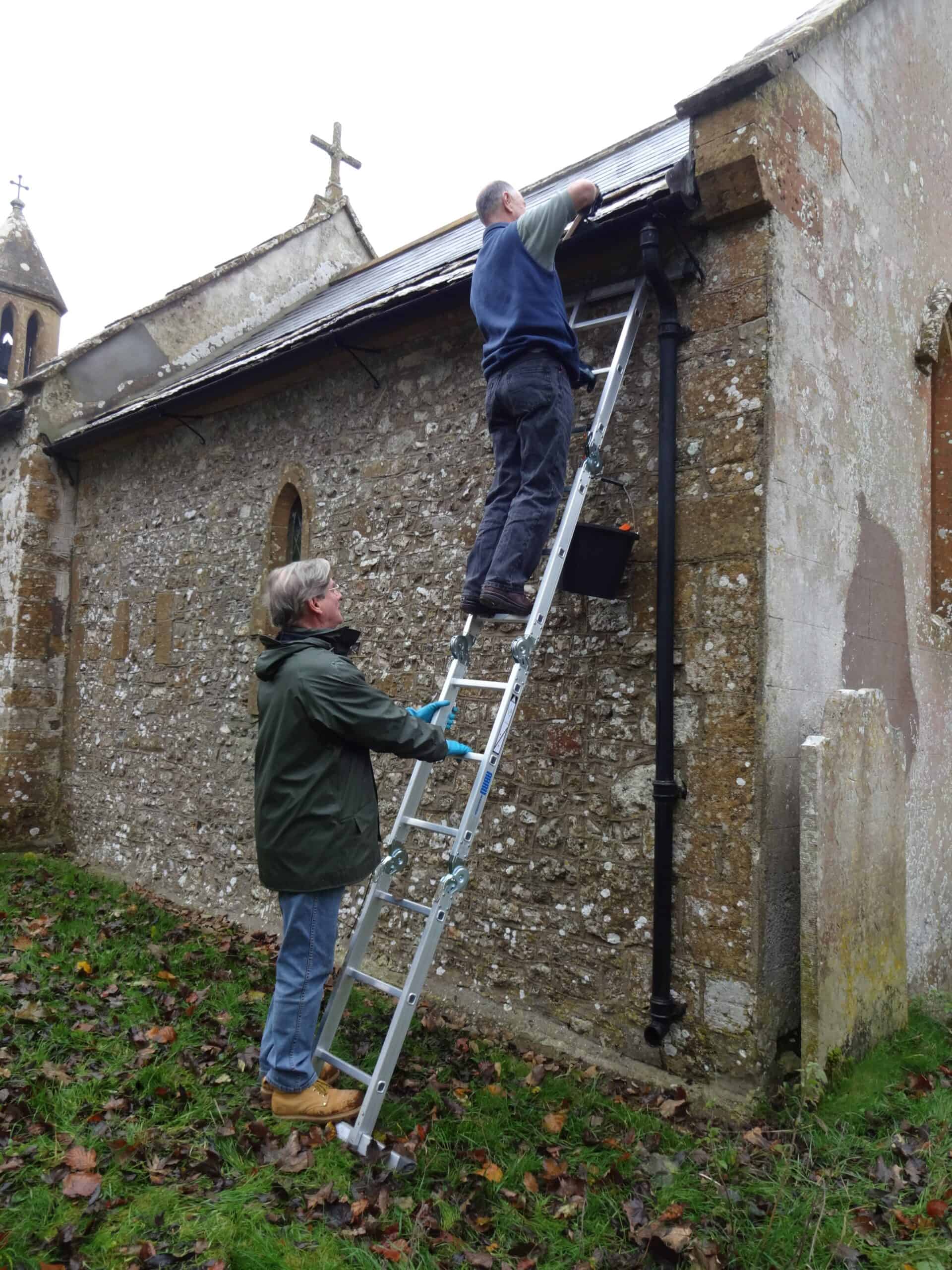
“Looking” involves inspecting the church building to assess its condition, noting any problems or areas of concern, and seeking advice about any necessary small ‘stitch-in-time’ repairs.
The “Doing” element is carrying out the tasks such as cleaning drains, clearing debris from gutters and removing vegetation from low level masonry.
Although the “looking” might be considered more important, it is critical that the “doing” is carried out once you have identified the work.
What next?
Tomorrow we will be looking at Roofs! How to identify issues and what to do about them.
Don’t forget we are running events across the Diocese all week on Maintenance and it would be great if you could join us. Sign up below.
Checkout issues? Book here.Recent Events
New minor repairs and improvements grant application process – May 2024
This training began with a short presentation from Liz West on applying for the new minor repairs and improvements grant application. You can find that presentation and other resources online.
Church Maintenance workshop – May 2024
This workshop was led by Liz West and you can find the the resources that were shared at the workshop online. They are designed to help parishes identify routine maintenance issues and understand what to do next.
News from the DAC team
The DAC is here to support you to care for and develop your church buildings and churchyards, and to help you through the permissions processes