The Role of the DAC
The DAC (Diocesan Advisory Committee) is a statutory body whose primary functions are set out in ecclesiastical legislation. For more information about DAC meetings and its role in the permissions process, please see the Diocesan Advisory Committee and Permissions pages of the website.
The DAC also provides advice and support for parishes in the care of their church building. It has provided a range of advice leaflets to cover a wide range of topics relating to church buildings. If you have any query about caring for your church, please do get in touch with the DAC team who can seek the advice from the DAC members and consultants who are experts in their field and kindly volunteer their time to support the work of parishes.
Maintenance
Major restoration and improvement projects are important but routine checks and maintenance with small ‘stitch in time’ repairs are equally vital. They have proved excellent value for money, preventing much greater damage and costs in the future.
Maintenance week
Liz West, the Church Buildings Maintenance Officer, hosted a series of events in November 2024, for SPAB’S Maintenance week, aimed at helping parishes with issues relating to maintenance. Liz also wrote a blog post every day to highlight some important issues.
There is a page of resources from the ‘Lunch and Learn – Maintenance Plans‘.
- Look at timber windows, doors, fascias and bargeboards. Check for cracked and rotten wood. Redecoration may be required.
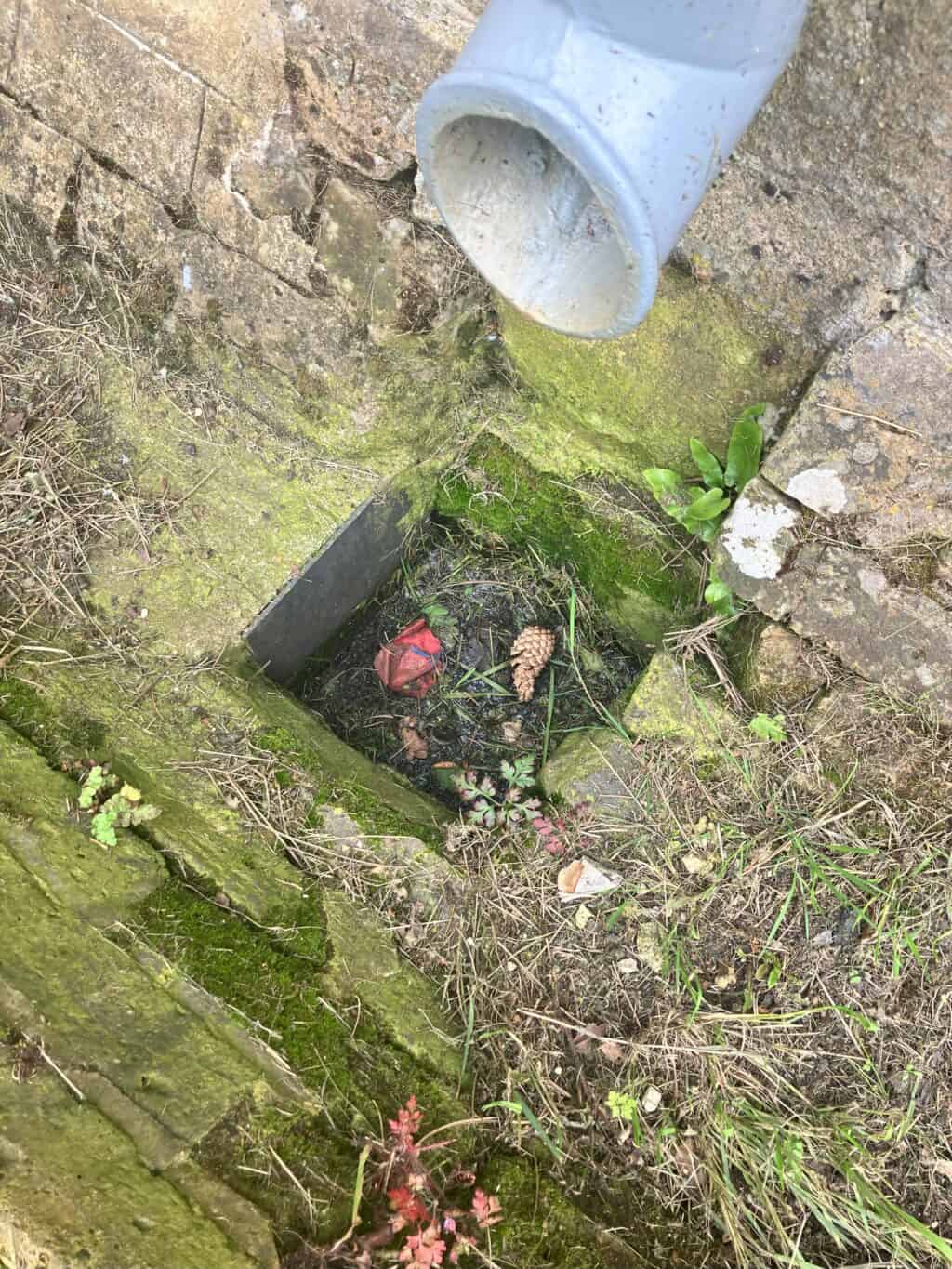
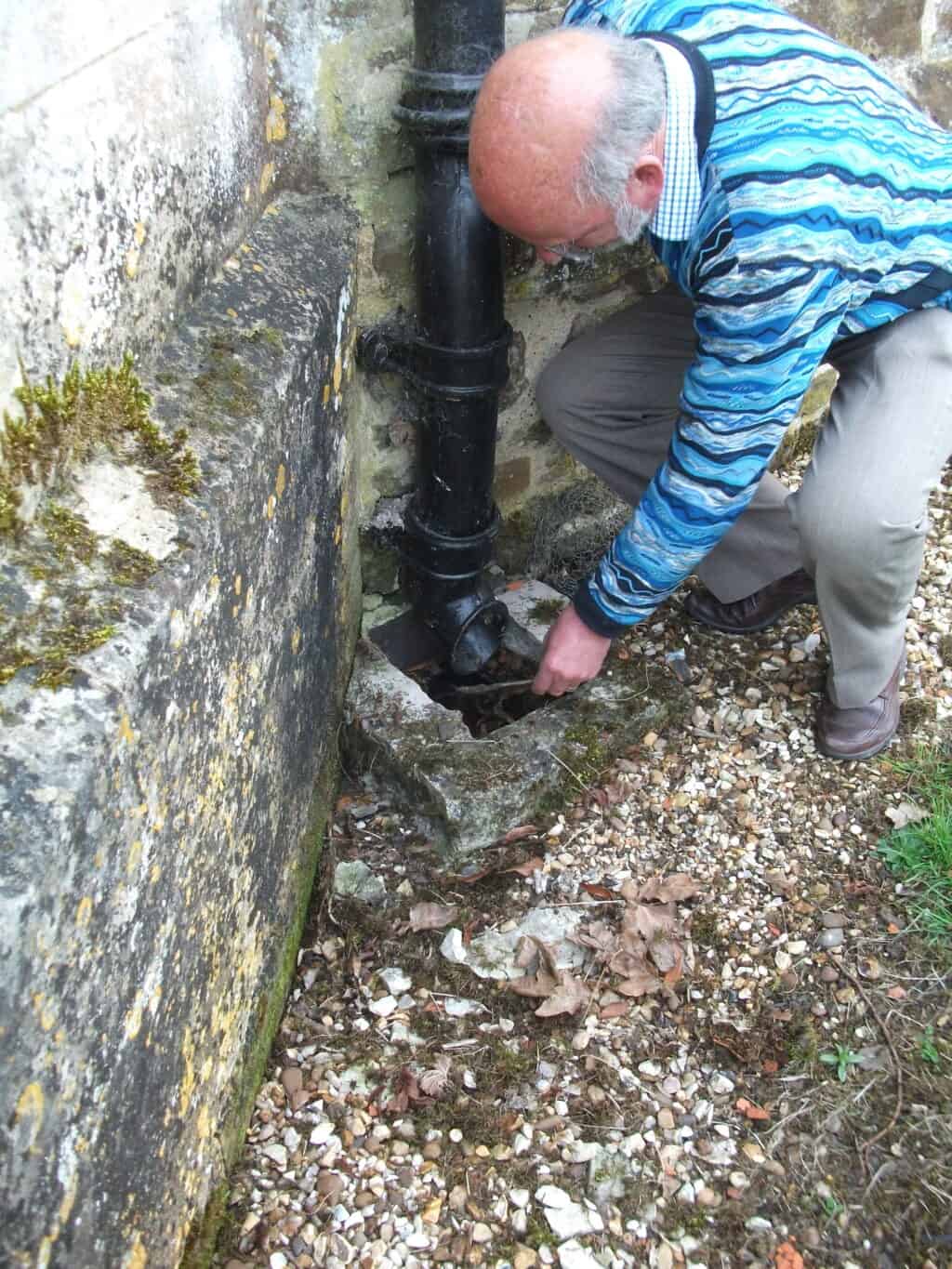
- Clear away any plant growth from around the base of the walls and in particular from the drainage channel.
- Have the lightning conductor system serviced once every five years.
- If your building has a steeple consider having it inspected by a steeplejack once every five years
August
Take a break!
September
- If your roof space has safe access and is boarded, check whether there is evidence of leaks or damage to the roof covering during heavy rain, especially below gutters.
- Clear away any plant growth from around the base of the walls and in particular from the drainage channel
- Make sure that water tanks and exposed water and heating pipes are protected from frost. Any leaks should be repaired.
- Make sure that any airbricks or under floor ventilators are free from obstruction and clean if necessary.
Major repair and improvement projects grab the headlines but routine checks and maintenance are equally important. They also express the love and dedication that churchwardens and other volunteers have for the church.
Regular inspections, maintenance and small ‘stitch in time’ repairs have proved to be excellent value for money. They stop damage and costs rising month after month and help prevent major failure and disasters. Just getting a contractor to clear out the rainwater system twice a year can start to make a huge difference. The increased difficulty of getting grants for some repair projects as funding priorities are changed make routine inspections and maintenance even more vital at the moment.
Typical checks include looking out for slipped roof tiles or failed or missing flashings plus making sure that water runs freely through the gutters, downpipes and channels. Can you spot any other changes or problems such as an area of damp, a broken window or even a break-in? It is of course crucial that problems discovered are followed up without delay.
The more you look and think about the building the more you get to appreciate the way it works. What happens to the rain that falls on the building? How does it flow over different surfaces and where does it go? And yes that might mean going outside and having a look when it’s pouring! Reading your quinquennial inspection report will also help you understand your building better.

Maintenance plans
Putting together a maintenance plan or checklist is a great way of thinking what you need to do and making sure that nothing is missed. The National Churches Trust have a template for a maintenance checklist (or plan) which covers different parts of the building and services.
The ChurchCare Calendar of Care suggests what you might want to include and when. Your quinquennial inspection report should also highlight checks and maintenance tasks and when boilers and other services and equipment need to be inspected and serviced.
You will fill in your maintenance checklist (or plan) with what needs doing and when. You also need to think who will do what and add that to the plan.
Who should do what maintenance?
Along with inspections and servicing of heating and other parts of the building by appropriate specialists and tradesmen some regular inspections may be required by say a conservator, structural engineer or your professional adviser.
‘Core maintenance’ work will be divided between parish volunteers and contractors.
Maintenance by parish volunteers
Parish volunteers should only do what is safe and appropriate for them. That might mean work they can do from ground. Or it could include work carried out a little higher with support and the safe use of a ladder. (See our DAC Advice Leaflet on the ‘Safety of Ladders and high-level access‘). A regular church building working party could be organised or combined with one looking after the churchyard. Think about inviting volunteers from the wider community who may appreciate the church and enjoy getting involved. Another approach is to set up a joint working party for a group of parishes.
There is a lot of advice available on maintenance by parish and other volunteers. The Society for the Protection of Ancient Building’s website has helpful advice on church maintenance by volunteers from identifying and organising work to which kitchen implements are best for clearing blockages:
See these SPAB links to maintenance matters, faith in maintenance and the maintenance co-operatives project.
In 2018 we had two ‘Church Maintenance Workshops for St Albans Parishes’. The first in April by a SPAB architect introduced maintenance and the role of parish volunteers. The second in November focused on organising maintenance by contractors and what you should expect and require from them.
Maintenance by parish contractors
Maintenance by contractors is required at all churches. Typically this will involve checking the roofs for holes or other obvious problems and inspecting and clearing the gutters, downpipes, channels and readily accessible drains. The maintenance contractors should then tell the parish what they have found and the work they have done in a short report with before and after photos and/or verbally.
Maintenance contractors should visit the church twice a year with November (after leaf fall) and May (after bird nests are occupied) ideal. If twice yearly is impossible then it is essential that an annual visit is arranged. Where parishes lack people able to carry out the tasks often done by parish volunteers then these should be added to the list of work for the maintenance contractors.
Maintenance contractors have different backgrounds can provide different types and levels of service though the core work may well be similar. You should think and write out what you want them to do.
Many parishes have long and successful arrangements with contractors which carry out regular inspections and maintenance at their churches. If you are in the position of looking for a maintenance contractor there are a number of ways to find one:
Grants and maintenance
While maintenance and ‘stich in time’ repairs have always been a key part of caring for historic churches it has a particularly high profile after Historic England published The Value of Maintenance? report.
Some grant funders such as the National Churches Trust and National Lottery Heritage Fund expect a church to have a maintenance plan or to prepare one. More generally a maintenance plan is taken as evidence that a parish is looking after its church and being prudent. That is an important message to give when seeking grants.
Funding has traditionally been directed at significant repairs rather than routine inspections and maintenance or small-scale repairs. Repairs to roofs and rainwater systems now have a higher priority but routine maintenance does not qualify for many of the grants available.
The National Churches Trust has made maintenance one of its priorities including improving the access needed to inspect the fabric and maintain and repair it. Two grant streams – which have very specific criteria, so reading the guidance carefully is a must – support maintenance and small investigations and repairs:
Quinquennial Inspections
Quinquennial inspection reports give an overview of the condition of the church, what needs doing and what is most important. These five-yearly snapshots show how much and in what way a building has changed over time. Quinquennial inspection reports give a solid, professional basis for making decisions about maintenance, repairs and managing the building. Above all, they are intended to help parishes look after their churches and churchyards.
Detailed information, advice and guidance is available on Quinquennial Inspections and Professional Advisers.

Who can be appointed?
The DAC maintains a register of Inspectors currently working within the diocese. The button below will take you to the Register and, by selecting your church, you can see which Inspectors are happy to work in and around your area. The DAC’s guidance will help take you through the process of appointing a new inspector, including shortlisting and interviews. Once the PCC has a preferred candidate, the DAC team should be notified and it will be taken to the next DAC meeting, where the Committee will provide advice relating to the suitability of the appointment.
To accompany the Register, there is a Guide to the Qualifications and Accreditations to help you to work out what they mean within the register.
Where can I find more information?
You can find more information and guidance relating to your Quinquennial Inspection and Professional Adviser in the advice leaflets.
The Church Buildings Council also have guidance available on the ChurchCare pages of the Church of England website.
Chancel Repair Liability
The chances are, you’ve only heard about Chancel Repair Liability when buying a house, but have you ever wondered about its history and what it means today?
The guide below does not attempt to give detailed information about what is a complex legal subject and should only be used as a general introduction, specifically intended for parishes within the Diocese of St Albans. The information contained in the guide states the position to the best of our knowledge, but the Diocese of St Albans takes no responsibility for its accuracy.
What is the history?
In medieval times the Rector of a parish was due tithes from his parishioners, either in the form of land owned by the Rector or in rent or produce from parishioners. In return the Rector was responsible for maintaining the chancel of the parish church, while the parishioners were responsible for maintaining the nave and the rest of the church. The monasteries and other religious foundations were the Rectors of many parishes, claiming the tithes and sending a Vicar to live and minister in the parish.
During the Dissolution of the Monasteries in the reign of Henry VIII, the tithe rights of the monasteries were often granted to individual landowners or to Oxbridge colleges and these “Lay Rectors” also became liable for maintaining the chancel of the parish church.
By the early 20th century tithes had come to be regarded as archaic and in need of reform or abolition. Notwithstanding this, the chancel repair liability of Lay Rectors remained in force. As a result of the concern about tithes, certain legislation was put in place to transfer the Chancel Repair Liability of clergy who were Rectors to Parochial Church Councils (PCCs).
Consequently parishes which were ancient Rectories do not normally benefit from any continuing chancel repair liability. Other legislation at this time also allowed for certain categories of Lay Rector to pay an agreed sum in full and final settlement of their liability into a chancel repair endowment fund. Some categories of liability were excluded from the legislation and continued to operate. As a result of this there have been a number of cases over the years where Lay Rectors have voluntarily made an agreed payment to end their liability.
Is it likely to apply to my church?
Victorian and more modern parish churches do not normally benefit from chancel repair liability. However, land and houses currently in these more modern parishes may lie within the ancient boundaries of a parish where a continuing liability exists, and individual properties may be subject to such a liability. Companies such as ChancelCheck will establish the ancient parish within which a particular property lies.
Generally, ancient parishes which were Rectories (i.e. where the Rector was the member of the clergy serving the parish) no longer benefit from any chancel repair liability, because the liability formerly exercised by the Rector was transferred to the PCC under earlier legislation.
In many cases where the parish was an ancient Vicarage and a liability to repair the chancel existed, all liability was ended either by the provisions of legislation such as the Tithe Act 1936, or by the action of the Lay Rector in making a voluntary agreement to end their liability. Information about such cases can sometimes be provided by reference to the Diocesan Office.
There remain a number of parishes in the Diocese of St Albans where a liability (or a proportion of the liability) to repair the chancel of the parish church remains in existence and is attached to certain defined parcels of land within the ancient boundaries of the parish. There are also some parishes about which we hold no relevant information and where a liability may or may not continue to exist.
In some cases the PCC has taken an informed decision not to register some or all of the remaining liabilities and has obtained advice from the Charity Commission under S110 of the Charities Act that it has acted properly in reaching its decision.
If there is a Chancel Repair liability, what does it mean?
In many cases where a liability continues, it is a proportion of the whole original liability that remains, the other part having been transferred to the PCC.
Where a liability continues, the person or body responsible as Lay Rector is bound not only to repair the chancel but also to restore and rebuild if necessary. Where the Lay Rectors are aware of their liability, they can insure the chancel against certain insurable risks such as fire etc. (specialist insurers of church buildings such as Ecclesiastical can advise on such cover). In cases where the liability is shared, and the landowners are aware of this share of responsibility they can contribute jointly towards an insurance policy and towards the costs of repairs. This shared liability is a joint and several liability meaning that the PCC may ask for a contribution from any one landowner (usually the one with the largest proportion of the liability), leaving that one individual to claim part of the costs back from the others who share the liability with him or her.
In some cases an individual landowner or an ancient institution such as an Oxbridge college or the Church Commissioners has a clear continuing liability. Any enquiry about the position concerning an individual property in one of these parishes should be referred to the Diocesan Office as in some cases part of the liability attaches to land not in the ownership of the major Lay Rector.
The information set out above is published for information purposes only and should not be relied upon as conclusive statements of the existence or absence of chancel repair liability in a particular parish. Individual landowners should always make their own enquiries to the Diocesan Office and through appropriate search providers via their Solicitors if they have any particular concerns.
The St Albans Diocesan Board of Finance disclaims any and all liability which may accrue through reliance upon this information in any form as definitive or conclusive proof of the presence or absence of chancel repair liability in any given parish. As stated above, parishes and individual landowners should always take legal advice on this complex but important matter.