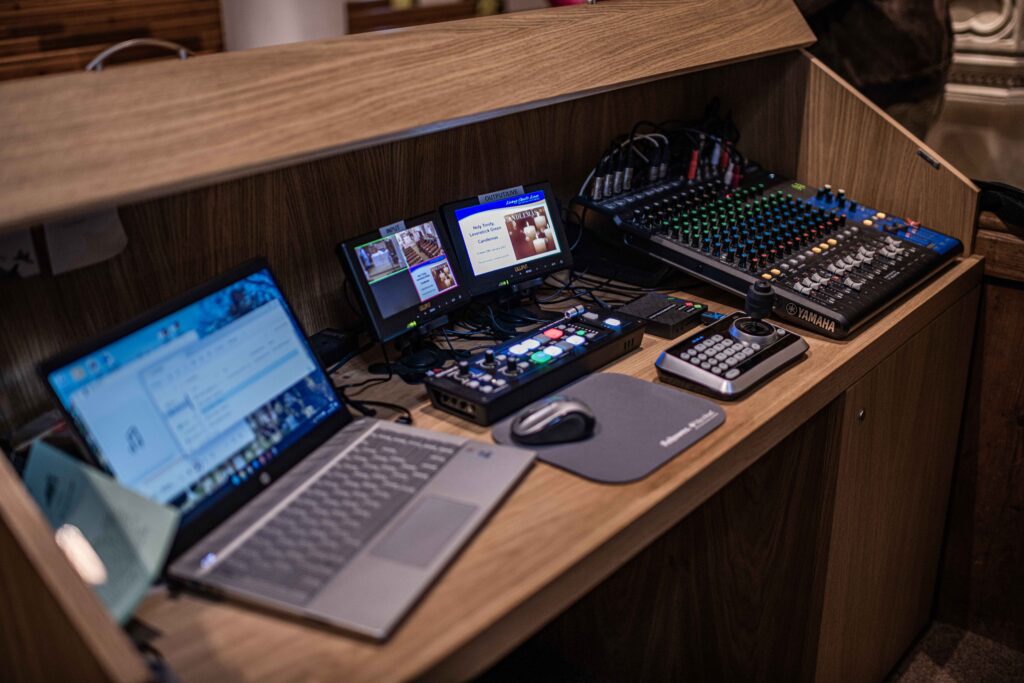
Every church – and its community – are unique but all our churches share a common purpose of being local centres of worship and mission. Changes to church buildings can be needed or wanted for a range of reasons, for example:
- You may be thinking generally about how you use your church building for liturgy and service patterns
- A review of your mission priorities may have highlighted a particular need, such as welcome and opening the church outside the times of services
- A new parish priest may have brought fresh eyes
- Your deanery may have identified a particular challenge facing your church, such as a small congregation, lack of volunteers, low use of the building or a lack of resources
- You may have identified a long-standing need, such as for wheelchair access, a toilet, or a space for children’s activities.
The DAC’s advice on making the most of your church building will help parishes wanting to have a fresh look at their buildings.
There are a range of national resources to help you in developing and planning a project from the Church of England (for more detailed resources, see the Diocese of Hereford’s Crossing the Threshold Toolkit), the Diocese of Ely’s REACH project, and from the National Churches Trust. Take a quick look at each of these when you’re first thinking about undertaking a project to see what steps they recommend and to see which you prefer – don’t feel like you have to use all of them at the same time! There are links in the yellow buttons at the bottom/right side of the page for more helpful resources.
Planning your project
Larger projects can be complex and they can seem very daunting. There is plenty of support and advice – in addition to those listed above – and, to help you through, we have provided the advice below.
Where should you start?
Brainstorm – have a think about what you need and what sort of changes would be needed to meet your needs. How can your church be at the centre of your community – both for worship and community life? Usually, there is more than one solution to your needs; if they wouldn’t work for some reason, make sure that you document why.
Deanery support – your deanery may be able to offer support, help identify common needs, host training and share good practice amongst parishes about the use of your church building(s).


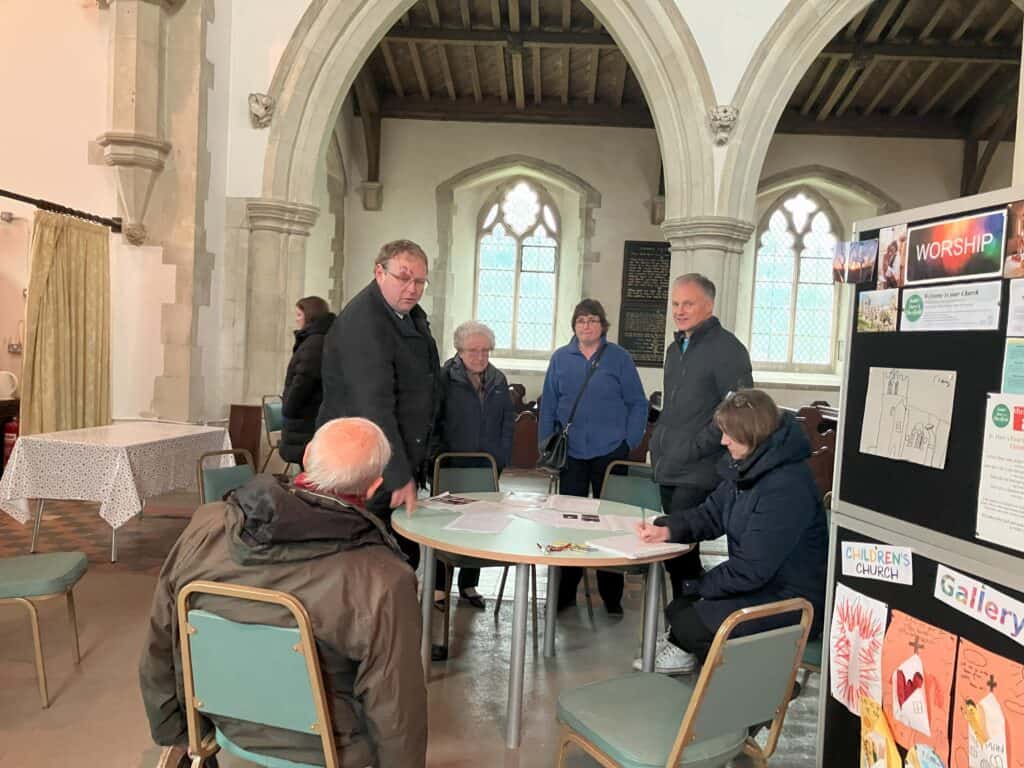
Early ideas site visit – the DAC is able to offer site visits on request, allowing a small group of DAC members to discuss your ideas with you and other PCC representatives on site. This may include looking at options to meet your needs, suggesting other churches that have done something similar, and further steps it will be helpful for you to take as you develop your ideas. For other ways the DAC can support you, see below.
What do you want to do and why?
Statements of Significance and Needs – these are required documents for any proposals involving making a change to a listed church and are useful in other cases where you are planning a major change to your church building. Both documents should at least be started at an early stage in your project development so that you ensure you have thought about constraints of the building and its heritage, as well as making sure that the proposals will meet your needs effectively. As the project develops, so will the Statements and they should be clear about the proposals and their impact.
The Statement of Significance documents what is important and valued about your church, its setting and contents. The Statement of Needs sets out what you are seeking to achieve, the options you have considered and the proposals you are developing in a way that seeks to keep, protect and enhance all the important and valued elements of the church. For more information and to help you write these documents, the DAC’s advice leaflet will help. Emma Critchley has also written a blog post with some advice.
What professional advice do we need?
Professional advice – a suitably qualified and experienced architect/surveyor, who understands the parish’s needs and the significance of the building, should be employed by the PCC once a brief has emerged. More information can be found can be found on the Caring for your church building page, as well as the advice leaflet about Professional Advisers.


Who else needs to be involved?
In almost all cases, wide and effective consultation will help make the process far smoother. Your proposals are also likely to be enhanced by listening to people coming from a different perspective.
External consultations – For significant changes to a listed church and for certain other matters (.g. repairs to a historic artefact) you will need to consult specified external bodies such as Historic England, the local planning authority and national Amenity Societies with a remit for specific periods of architecture. You’ll need to carry out these consultations as part of Stage 1 of the faculty process, before the DAC issues its formal advice. This is so that the applicant and the DAC can take into account the responses and comments from the consultees. For more information about the process, see our Permissions page.
Local consultation – As well as these formal consultations, it’s important to ensure that your plans have the backing – as far as possible – of the PCC, the congregation and other users of the church as well as the wider community. This will assist with fundraising and making the case for grant applications, as well as giving a smoother ride through the faculty process which includes public notice.
Fundraising and Grants
Funding major projects can be a challenge but we have lots of guidance and advice to help you. Take a look at our Grants for Church Buildings page. To discuss funding in more detail or for advice and help with specific projects, please contact Ann Wise, our Historic Church Buildings Support Officer.
Accessing DAC Advice
As well as being able to offer early stage site visits and being involved in the formal permission process, there are other ways the DAC can support you when looking to make changes to your church building.
For questions about the process or for more general advice about the development of your church, contact the DAC Team by email or phone with any questions or issues.
We are happy to arrange a Teams/Zoom call with you to talk through a project, e.g. when you are putting together Statements of Significance and Needs, when you have uploaded proposals ready for the DAC to consider, or even later in the project if the unexpected arises while work is taking place on site. We can also offer hands on support for you when you are using the online portal.
Site visits are also a useful way to talk about ideas and proposals with experienced DAC members. The DAC is happy to arrange site visits if they are needed and the good news is that they are free!
Other uses for church buildings
If you are working with your local community, you may identify many needs which can be accommodated within the church building. Many additional uses can be accommodated in a church with authorisation (either a licence or a lease) by faculty, provided the main use of the church is still for worship. Examples include a local shop, post office or library; telecoms equipment for local broadband connections; charity office use; pre-school etc. If you are exploring one of these uses, do get in touch with the DAC team for advice in the first instance.
Regular use of a church for worship by another Christian denomination can be recognised by Canon B43 or by a Sharing Agreement made under the Sharing of Church Buildings Act. Note that use by another faith group for worship cannot be permitted. Do get in touch with the DAC team for advice who will contact the Diocesan Registrar in individual cases.
It is especially worth considering greater use of other land and buildings, such as halls, for community allotments, night shelters, social housing, pre-schools etc. Developing such ideas may need a multidisciplinary approach which could be discussed with your deanery.

Emma Critchley
Diocesan Pastoral and Advisory SecretaryEmma heads the Pastoral & Advisory Department dealing with DAC work – advice and support with permissions concerning the care and development of church buildings and churchyards – and pastoral reorganisation work, including changes to the way parishes are grouped for ministry provision, local ecumenical working and engagement in new housing developments.
Church and churchyard enquiries:dac@stalbans.anglican.org
Email:emma.critchley@stalbansdiocese.org
Office:01727 818138
Working pattern:Full time

Jenny Dart
Pastoral & Advisory OfficerDeals mostly with DAC matters, closed churches and pastoral cases, including pastoral re-organisation, suspensions of presentations and the vacancy procedure under the Patronage (Benefices) Measure.
Email:jenny.dart@stalbansdiocese.org
Team email:dac@stalbans.anglican.org
Office:01727 818 137
Mobile:07311 310498
Working pattern:Full time
Ann Wise
Historic Church Buildings Support OfficerSupporting churches to raise funds for building repairs etc; advising on community engagement and the interpretation of individual churches’ heritage.

Tom Abraham
Net Zero Carbon OfficerTom helps parishes, schools and the property team to manage and reduce their energy and carbon footprints so we can achieve our net zero goal. Now you can book time with Tom for a discussion using this link: Book time with Tom Abraham
Email:tom.abraham@stalbansdiocese.org
Mobile:07311 310 534
Working pattern:Monday, Tuesday, Thursday, Friday

Liz West
Church Buildings Maintenance OfficerChurch Buildings Maintenance Officer
Email:liz.west@stalbansdiocese.org
Mobile:07863 129355

Mayra Shaw
Team Secretary - Church Buildings
Sally Ackroyd
Net Zero Carbon Support OfficerEmail:sally.ackroyd@stalbansdiocese.org
Office:01727 615531